Dry bulk logistics involves a surprisingly wide range of delivery methods, and choosing the right one can make a real difference to your operations. One method that comes up frequently in industrial and food-grade bulk shipping is SDU delivery via rotary valve systems. If you work with granules, powders, or other dry commodities, understanding how this process works helps you make smarter decisions about your supply chain.
This article walks you through everything you need to know about SDU delivery and rotary valve systems, from the basics to the practical considerations that matter most when you are moving dry bulk cargo.
What is SDU delivery in dry bulk logistics?
SDU delivery in dry bulk logistics refers to a method of discharging dry bulk cargo directly from a container into a receiving silo or storage facility using a controlled, enclosed system. The term SDU stands for silo discharge unit, and it describes a process in which bulk material flows from a container through a connected system into the customer’s storage infrastructure without manual handling or open transfer.
This approach is particularly common in industries where contamination control, dust reduction, and product integrity are priorities. Rather than emptying bags or using open conveyor systems, SDU delivery keeps the material contained throughout the entire transfer. This matters a great deal when you are handling food-grade ingredients, chemical granules, or any product for which hygiene and consistency are non-negotiable.
In practice, SDU delivery is often combined with liner bags inside the container, which protect the cargo during transport and allow for clean, efficient discharge at the destination. The container acts as both a transport vessel and a temporary storage unit until the material is ready to be transferred into the silo.
What is a rotary valve, and how does it work in bulk handling?
A rotary valve is a mechanical device used to control the flow of dry bulk material from one part of a system to another while maintaining a pressure seal between sections. It works by rotating a set of vanes or blades inside a cylindrical housing, which picks up material from the inlet and deposits it at the outlet in measured amounts, preventing uncontrolled flow or pressure loss.
In bulk handling, the rotary valve sits between the container or hopper and the conveying line. As the vanes rotate, they trap a controlled volume of material in each pocket and carry it from the high-pressure side to the low-pressure side of the system. This controlled movement is what makes rotary valves so useful in pneumatic conveying and dry bulk services, where maintaining consistent airflow and pressure is important for moving material efficiently through pipes or ducts.
Why pressure control matters in bulk discharge
Without a rotary valve or a similar airlock device, opening a container directly to a pneumatic conveying line would cause pressure equalization, which disrupts the airflow needed to move the material. The rotary valve acts as a metering device and an airlock at the same time, allowing bulk material to enter the conveying system at a steady, controlled rate. This protects both the product and the equipment.
How does SDU delivery via rotary valve systems work step by step?
SDU delivery via a rotary valve system works by connecting the bulk container to the customer’s silo through an enclosed discharge and conveying setup, with the rotary valve controlling the flow of material into the pneumatic line that carries it into storage. The process is systematic and designed to minimize product loss and contamination.
Here is how the process typically unfolds:
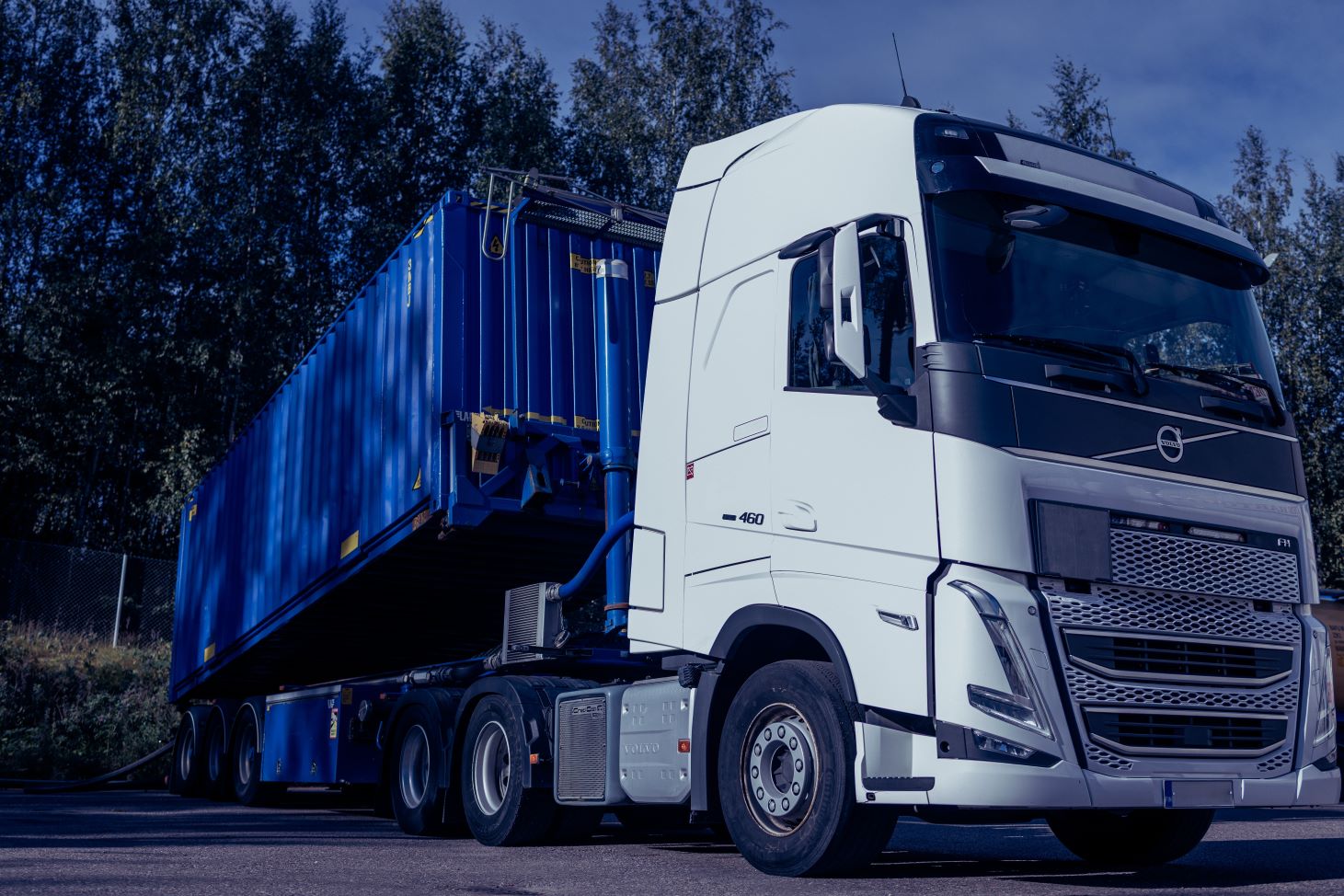
- Container positioning: The bulk container, often a standard or silo container, is placed at the discharge point using a tipping chassis or similar equipment that elevates one end to encourage gravity-assisted flow.
- Liner bag connection: If a liner bag is used inside the container, the discharge spout of the liner is connected to the inlet of the discharge unit, creating a sealed pathway for the material.
- Rotary valve activation: The rotary valve at the base of the discharge unit is activated. As it turns, it draws material from the container and feeds it into the pneumatic conveying line at a controlled rate.
- Pneumatic conveying: Compressed air or a blower system carries the material through the conveying line and into the receiving silo. The rotary valve maintains the pressure differential needed to keep the air moving effectively.
- Completion and disconnection: Once the container is empty, the system is shut down, the connections are sealed, and the container is removed. Any residual material in the liner bag can be managed through the discharge spout before disconnection.
This step-by-step process keeps the entire transfer enclosed, which reduces dust, protects the product, and keeps the working environment cleaner compared to open discharge methods.
What types of dry bulk cargo are suitable for rotary valve SDU delivery?
Rotary valve SDU delivery works best for free-flowing dry bulk materials such as granules, pellets, and powders that can move through a pneumatic conveying system without bridging or clumping. Common examples include chemical granules, food-grade ingredients like sugar or starch, plastic pellets, and agricultural powders.
The suitability of a material depends on several factors. Particle size, bulk density, moisture content, and flowability all affect whether a product will move reliably through a rotary valve and pneumatic line. Materials that are too fine or too sticky can cause blockages or wear on the valve, while very coarse or irregularly shaped materials may not feed evenly through the valve pockets.
Food-grade products are a strong fit for this method because the enclosed system protects against contamination and meets the hygiene standards required in the food and beverage industry. Chemical granules are equally well suited, particularly when dust containment is a safety or environmental requirement at the receiving facility.
What are the advantages of rotary valve systems over other discharge methods?
Rotary valve systems offer more precise flow control, better dust containment, and a cleaner working environment compared to gravity-only discharge or open conveyor methods. They also allow for continuous, metered feeding into pneumatic conveying lines, which makes the overall discharge process more consistent and easier to manage.
Compared to simple gravity discharge through a tipping container, a rotary valve system gives you active control over how fast material enters the conveying line. This reduces the risk of blockages in the pipe and prevents surges that can damage downstream equipment or cause spillage.
Hygiene and containment benefits
For food-grade and chemical cargo, the enclosed nature of a rotary valve system is a significant practical advantage. Open discharge methods expose the product to the environment during transfer, which introduces contamination risk and creates dust that may require additional extraction equipment. A rotary valve system keeps the product sealed from container to silo, which simplifies compliance with hygiene and safety requirements.
Compatibility with liner bags
Rotary valve systems work well alongside liner bags, which we use in our dry bulk services for food-grade and chemical granules. The liner bag keeps the product clean during transport, and the discharge spout connects directly to the SDU system, maintaining the sealed transfer from start to finish. This combination gives you both transport protection and a clean discharge process.
What should you check before choosing SDU delivery for your bulk cargo?
Before choosing SDU delivery via a rotary valve system, you should verify that your product is free-flowing enough to move through the system reliably, that the receiving facility has a compatible silo inlet and conveying setup, and that the logistics provider has the right equipment and technical knowledge to manage the discharge safely.
Start with the product itself. Ask your logistics partner whether your material’s particle size, moisture level, and bulk density are within the acceptable range for pneumatic conveying. If the material has a tendency to absorb moisture or clump during transport, this needs to be addressed before discharge begins.
Next, look at the receiving facility. The silo inlet, conveying line diameter, and air supply capacity all need to match the discharge rate of the rotary valve system. A mismatch here can slow down the process or cause blockages that interrupt operations.
Finally, consider the full logistics chain. SDU delivery works best when it is part of a door-to-door dry bulk cargo transport service that accounts for container type, inland transport with a tipping chassis, and the technical requirements at the destination. Working with a provider who understands the complete picture, from loading to silo transfer, avoids gaps that can lead to delays or product loss.
At Transitainer Shipping, we offer tailored dry bulk cargo transport services that include SDU deliveries via rotary valve systems, container-to-silo transfers, and flexible inland transport with tipping chassis. We combine technical expertise with a trusted partner network to make sure your dry bulk cargo arrives safely and transfers cleanly, whether you are shipping food-grade granules or industrial chemical products. If you want to discuss whether SDU delivery is the right fit for your cargo, reach out to our team and we will be happy to help you figure it out.