Transporting food-grade commodities in bulk is not as simple as loading a container and sending it on its way. The cargo itself demands strict hygiene standards, careful handling, and logistics infrastructure that can keep quality intact from origin to destination. Whether you are moving sugar, flour, starch, or food-grade chemical granules, the choices you make in dry bulk logistics directly affect product safety and supply chain efficiency.
This article walks through the most common questions buyers and supply chain managers ask when evaluating dry bulk cargo transport services for food-grade commodities. Each section gives you a direct, practical answer so you can make informed decisions for your business.
What is dry bulk logistics and how does it apply to food-grade cargo?
Dry bulk logistics is the transport and handling of unpackaged dry commodities, such as granules, powders, and pellets, using specialized containers and equipment designed to protect cargo integrity throughout the journey. For food-grade cargo, this means applying the same bulk transport principles while adding strict hygiene, documentation, and traceability requirements.
Food-grade dry bulk cargo includes products like food-grade starches, sugars, flour, and chemical granules used in food production. These products cannot share containers with non-food or hazardous materials, and every piece of equipment in the chain must meet food safety standards. The logistics approach must account for this from the very start of planning, not as an afterthought.
What makes food-grade dry bulk logistics distinct from general bulk shipping is the combination of physical cargo protection and regulatory compliance. You need equipment that keeps moisture out, prevents contamination, and can be thoroughly cleaned between uses. The logistics partner you choose needs to understand both the technical requirements of bulk handling and the compliance demands of food-grade transport.
What types of dry bulk containers are used for food-grade transport?
The main container types used for food-grade dry bulk transport are standard containers fitted with liner bags, bulk containers, and silo containers. Each serves a different purpose depending on cargo volume, destination, and unloading method. Liner bags are particularly common for food-grade granules and powders because they create a clean, sealed inner environment inside a standard container.
Liner bags in standard containers
High-quality liner bags fitted inside standard 20-foot or 40-foot containers are a practical and widely used solution for food-grade granules and chemical granules. The liner acts as a protective barrier, keeping the cargo away from the container walls and preventing moisture ingress. After unloading, the liner is removed and the container can be reused, which also supports recycling programs.
Bulk containers and silo containers
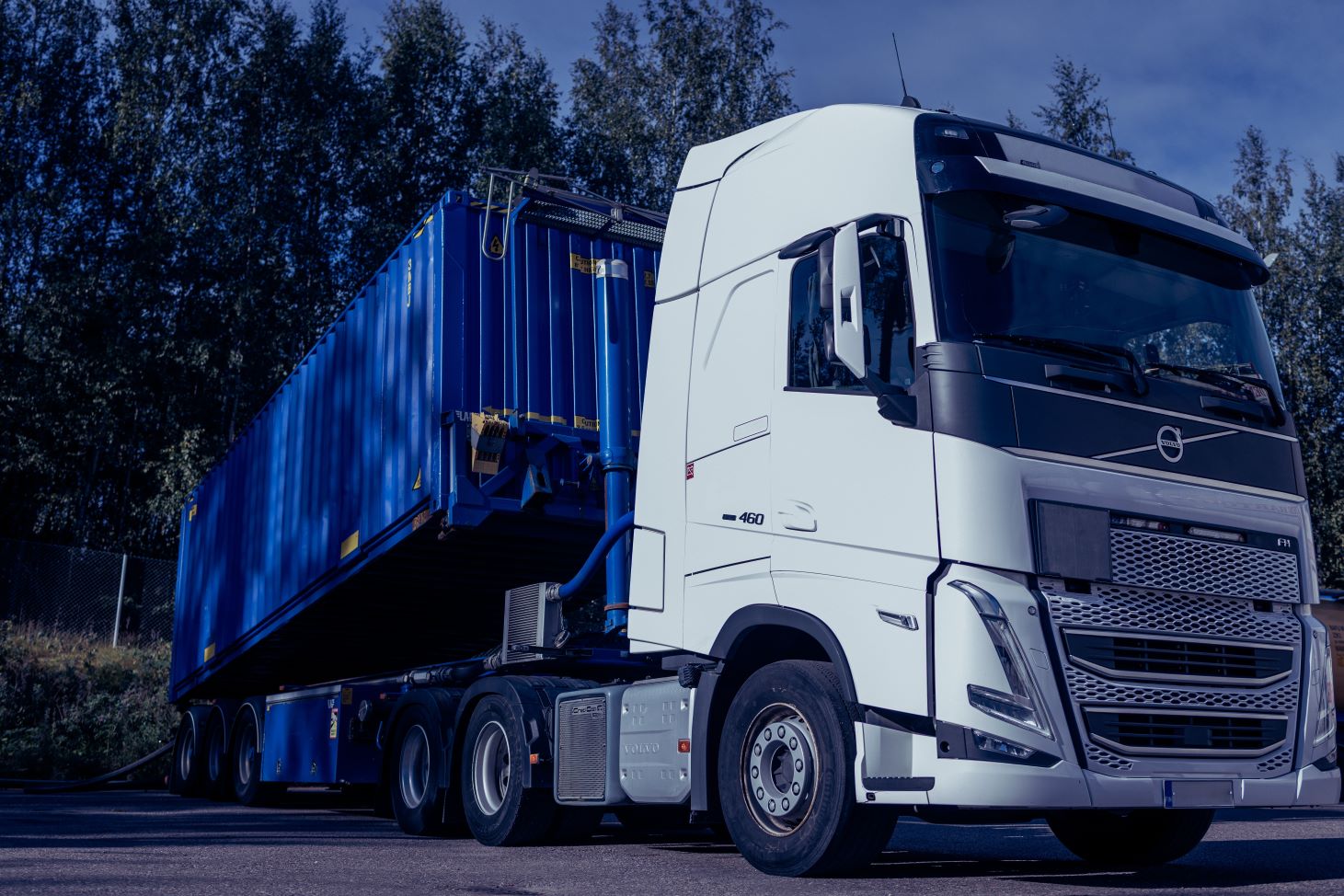
Bulk containers feature roof hatches for top loading and discharge openings at the front for gravity unloading. Silo containers are designed for direct container-to-silo transfers, which suits operations where cargo moves straight into storage or processing facilities. For deliveries requiring precise discharge, rotary valve systems in SDU deliveries allow controlled unloading into receiving equipment without product loss or contamination risk.
Choosing the right container type depends on your receiving infrastructure, cargo type, and delivery requirements. If your facility uses silo-based storage, a silo container with direct transfer capability is more efficient than a liner bag solution that requires manual handling at the destination.
What hygiene and compliance standards apply to food-grade bulk shipping?
Food-grade bulk shipping requires that all containers, liner bags, and handling equipment used for food cargo meet food safety standards. This means containers must have a documented cleaning history, liner bags must be certified food-grade, and the entire logistics chain must be traceable. Documentation and labeling are not optional extras but core parts of the service.
Compliance also means that food-grade cargo cannot be transported in equipment that previously carried hazardous or incompatible materials without thorough cleaning and verification. This is why working with a logistics provider that handles documentation, cleaning, and maintenance as part of its service is important. Gaps in documentation can cause customs delays, product rejections, or regulatory penalties.
Labeling requirements for food-grade bulk cargo vary by destination market, particularly when shipping across borders via intermodal transport. Your logistics partner should manage this as part of the end-to-end service, ensuring that cargo arrives with the correct documentation for import clearance and food safety audits at the destination.
How does intermodal transport work for dry bulk food commodities?
Intermodal transport for dry bulk food commodities combines sea freight, road transport, and sometimes rail in a single coordinated shipment. The container carrying the food-grade cargo moves through each mode without the cargo itself being transferred between vehicles, which protects product integrity and reduces handling risks. This approach connects production facilities to ports and then to end destinations across regions.
For businesses shipping food-grade bulk cargo to or from the Nordics and Baltics, intermodal routes typically involve deep-sea or short-sea shipping combined with inland trucking. Tipping chassis are used for road legs where gravity discharge is needed, allowing the container to be tilted for efficient unloading at the receiving facility. This flexibility in inland transport is what makes intermodal solutions practical for a wide range of delivery scenarios.
The advantage of intermodal transport for food-grade cargo is consistency. Because the same container moves through the entire journey, the hygiene conditions established at loading are maintained all the way to discharge. You are not relying on multiple handovers between different transport units, which reduces contamination risk and simplifies documentation.
What are the biggest challenges in food-grade dry bulk logistics?
The biggest challenges in food-grade dry bulk logistics are maintaining hygiene throughout a multi-leg journey, managing documentation across borders, and ensuring that equipment is available and compliant when you need it. Any failure in one of these areas can result in product rejection, supply chain delays, or compliance issues that affect your business.
Hygiene control across the supply chain
Keeping food-grade cargo uncontaminated from loading to discharge requires clean equipment at every stage. This is not just about the container but also the liner bags, handling equipment, and storage areas involved in the journey. A logistics provider with its own cleaning and maintenance capabilities gives you more control over this than one that outsources these steps to third parties.
Documentation and customs clearance
Food-grade cargo crossing international borders requires accurate and complete documentation, including certificates of compliance, cleaning records, and product specifications. Customs clearance for food commodities can be more complex than for general cargo, particularly when moving between different regulatory zones. Working with a partner that handles import and export customs clearance as part of its service removes this burden from your team and reduces the risk of delays.
Equipment availability and flexibility
Dry bulk food transport requires specific equipment, and availability at the right time and place matters. If your logistics provider cannot supply the right container type or liner bag specification when your shipment is ready, it creates costly delays. A partner with a trusted network and flexible inland transport options gives you more resilience when schedules change.
How do you choose the right dry bulk logistics partner for food cargo?
Choose a dry bulk logistics partner for food cargo by evaluating its experience with food-grade commodities, its ability to manage the full logistics chain from loading to delivery, and its compliance and documentation capabilities. A partner that offers door-to-door bulk cargo logistics services with in-house cleaning, maintenance, and customs support provides fewer handovers and more accountability.
Ask potential partners about their container and liner bag standards for food-grade cargo, how they manage cleaning and inspection between shipments, and whether they can handle customs clearance for your target markets. A partner that understands the regulatory requirements of your destination markets, particularly in the Nordics and Baltics, will save you significant time and effort in managing compliance.
Flexibility in inland transport is also worth evaluating. Food-grade bulk cargo often needs to reach facilities that are not directly on major transport corridors, so a partner with tipping chassis options, SDU delivery capability, and container-to-silo transfer experience gives you more delivery options. Finally, look for a partner that treats recycling and sustainability as part of its standard operation, not an add-on, since this reflects the operational discipline that food-grade logistics demands.
At Transitainer Shipping, we offer tailored dry bulk logistics solutions that cover the full journey for food-grade commodities. From high-quality liner bags and silo container transport to door-to-door delivery with flexible inland options and customs support, we manage the details so you can focus on your business. If you are ready to streamline your food-grade dry bulk supply chain, reach out to our logistics team and let us build the right solution for your cargo.