Dry bulk cargo transport is one of those areas where the right container choice can make a real difference to your operations, your costs, and the condition of your goods when they arrive. Whether you’re shipping chemical granules, food-grade powders, or agricultural commodities, understanding the difference between bulk container and silo container transport helps you make smarter logistics decisions from the start.
This article walks you through how each method works, what cargo suits each approach, and when it makes sense to choose one over the other. If you’re sourcing dry bulk cargo transport services or planning intermodal shipments across the Nordics or the Baltics, this is a good place to start.
What is bulk container transport and how does it work?
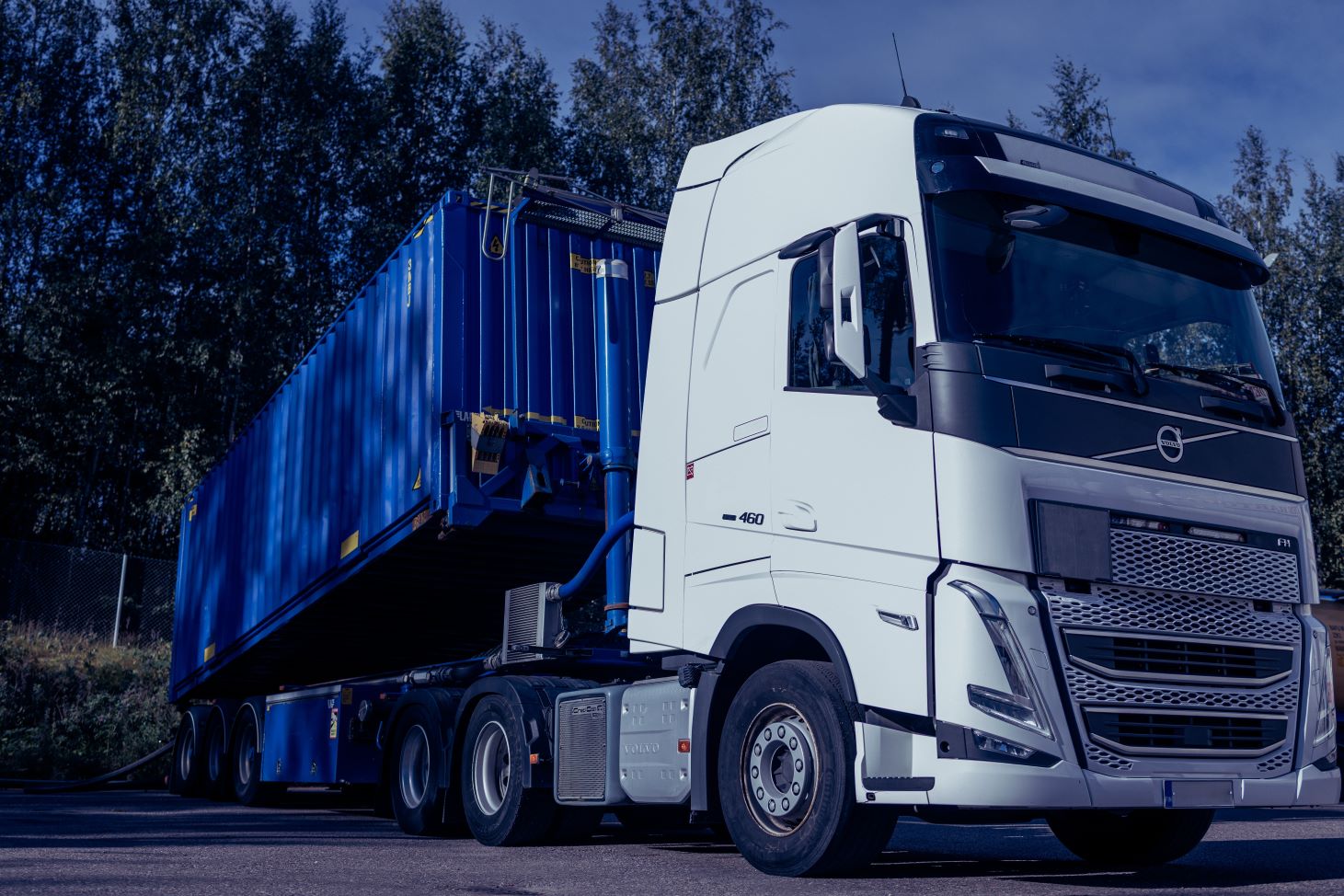
Bulk container transport moves dry goods in large volumes using standard shipping containers fitted with liner bags. The liner bag sits inside the container and holds the cargo, protecting it from contamination and moisture. Once the container reaches its destination, the goods are discharged through the liner’s outlet, typically by tipping the container or using gravity-assisted unloading.
This approach works well because it uses existing container infrastructure, meaning the same boxes used for general freight can carry dry bulk cargo with minimal modification. You don’t need specialised equipment at every stage of the journey, which makes this method widely accessible across global shipping networks.
The liner bag itself plays an important role in maintaining cargo quality. For food-grade products and chemical granules, high-quality liner bags provide a clean, sealed environment throughout transit. After delivery, liner bags can be removed and sent for recycling, which supports more sustainable logistics operations.
What is silo container transport and what makes it different?
Silo container transport uses purpose-built containers with a pressurised or gravity-fed discharge system, designed specifically for free-flowing dry bulk materials. Unlike standard containers with liner bags, silo containers are engineered to transfer cargo directly into silos or storage tanks at the destination, often through a rotary valve or pneumatic system.
The key difference is in the discharge mechanism. Silo containers allow for cleaner, more controlled unloading directly into fixed storage infrastructure, which is particularly valuable when you need to move cargo into a production facility or large-scale storage without manual handling or intermediate steps.
Silo containers are also built to withstand the pressures involved in pneumatic transfer, making them suitable for products that need to be conveyed efficiently over short distances from the container to the storage point. This specialised design means silo containers require matching infrastructure at the receiving end, which is worth factoring into your logistics planning.
What types of cargo are best suited for each transport method?
Bulk container transport with liner bags suits granular and powdered products that can be loaded and discharged without requiring a direct connection to fixed storage. Silo container transport is better matched to free-flowing materials that are regularly discharged into silos or production systems at the destination.
Cargo suited to bulk container transport
- Food-grade granules such as sugar, starch, and grain-based products
- Chemical granules and powders that require a clean, sealed environment
- Agricultural commodities in granular or powder form
- Products for which tipping-chassis discharge is practical at the destination
Cargo suited to silo container transport
- Free-flowing powders and granules that are transferred directly into silos
- Materials used in continuous production processes requiring regular, high-volume deliveries
- Products for which pneumatic or rotary-valve discharge is the preferred or required method
- Cargo destined for facilities already equipped with silo infrastructure
The nature of your receiving facility often determines which method is practical. If your destination has silo infrastructure with compatible discharge points, silo containers offer a seamless transfer. If not, bulk containers with liner bags and tipping chassis provide a flexible, widely compatible alternative.
What is the difference between bulk container and silo container transport?
The main difference between bulk container and silo container transport is the container design and discharge method. Bulk containers use standard shipping containers fitted with liner bags and are discharged by tipping. Silo containers are purpose-built units with pressurised or gravity-fed systems that transfer cargo directly into silos or storage tanks through rotary valves or pneumatic connections.
Beyond the equipment itself, the two methods differ in terms of infrastructure requirements, flexibility, and application. Bulk container transport is more flexible because it relies on standard containers available across global shipping networks and requires only a tipping chassis for discharge. Silo container transport offers a more direct and efficient transfer for facilities equipped to receive it, but it depends on compatible infrastructure at the destination.
Cost structures also differ. Bulk container transport tends to be more accessible for one-off or lower-frequency shipments because the equipment is widely available and the discharge process is straightforward. Silo container transport can be more cost-effective for regular, high-volume deliveries into fixed storage, where the efficiency of direct transfer offsets the need for specialised equipment.
From a cargo integrity standpoint, both methods protect your goods during transit, but the liner bag in a bulk container adds a layer of protection that is particularly useful for food-grade or sensitive chemical products. Silo containers, by design, are also clean and sealed, but their advantage lies more in the discharge process than in the transit protection itself.
When should a company choose silo container over bulk container transport?
Choose silo container transport when your destination facility has silo infrastructure with compatible discharge points, you receive regular, high-volume shipments of free-flowing materials, and direct container-to-silo transfer is more efficient than tipping and manual handling. If these conditions apply, silo containers reduce handling steps and improve operational flow.
For companies running continuous production processes, the ability to discharge cargo directly into a silo without intermediate handling is a practical advantage. It reduces the risk of product contamination, minimises loading and unloading time, and integrates more smoothly into automated or semi-automated production environments.
On the other hand, if your destination lacks silo infrastructure, or if your shipment volumes are variable and infrequent, bulk container transport with liner bags is likely the more practical and cost-effective choice. It gives you access to a broader range of carriers and routes, and the discharge process is less dependent on specialised receiving equipment.
The decision often comes down to your destination’s setup and your shipment frequency. A logistics partner with experience in both methods can help you evaluate which approach fits your supply chain, taking into account your cargo type, destination infrastructure, and transport volumes.
How does intermodal transport work for dry bulk cargo?
Intermodal transport for dry bulk cargo combines multiple transport modes, typically sea, road, and sometimes rail, using the same container throughout the journey. The cargo is loaded once into a bulk or silo container, and that container moves across different transport legs without the goods being transferred between vehicles. This reduces handling, lowers contamination risk, and simplifies logistics coordination.
For dry bulk cargo transport services, the intermodal approach is particularly useful for international shipments where goods move from a production facility by road, onto a deep-sea vessel, and then continue by truck or rail to the final destination. The container acts as the constant unit across all these legs, which keeps the supply chain simpler and more trackable.
Door-to-door dry bulk logistics
Door-to-door bulk cargo logistics services extend the intermodal model to cover the full journey from shipper to receiver. This includes arranging inland transport at both ends, managing terminal handling, coordinating documentation, and ensuring the container arrives at the right place at the right time. For companies shipping into or out of the Nordics and the Baltics, door-to-door services remove the need to manage multiple carriers and agents across different countries.
Flexible inland transport options, such as tipping chassis for bulk containers or rotary valve systems for silo container deliveries, are part of what makes door-to-door dry bulk logistics practical. The goal is for you to hand over your cargo and receive it at the destination without having to manage the logistics chain in between.
At Transitainer Shipping, we offer tailored dry bulk cargo transport services that cover the full intermodal journey, from liner bag fitting and container loading through to inland delivery, container-to-silo transfers, and recycling solutions. Whether you need bulk container transport with tipping-chassis discharge or direct silo container deliveries, we build the solution around your cargo and your destination infrastructure. If you’re ready to simplify your dry bulk supply chain, get in touch with our team to discuss your cargo requirements and find the right transport solution for your operations.