Bulk cargo logistics covers a wide range of goods and transport methods, and understanding the difference between dry and liquid bulk is the first step toward choosing the right solution for your supply chain. Whether you’re moving chemical granules, food-grade oils, or industrial gases, the equipment, handling requirements, and cost structures vary significantly. This guide breaks down the key distinctions and helps you make informed decisions about bulk cargo transport.
If you’re exploring dry bulk cargo transport services or looking for cost-effective flexitank transport solutions, you’ll find practical answers to the most common questions below, structured to give you clear, actionable information from the start.
What is dry bulk cargo, and what types of goods does it include?
Dry bulk cargo refers to unpackaged solid goods transported in large volumes without individual packaging. These goods are typically granular, powdered, or pelletized. Common examples include chemical granules, agricultural commodities, food-grade powders, and industrial minerals that flow freely and can be loaded directly into containers or specialized equipment.
The defining characteristic of dry bulk is that the cargo itself is loose and handled in bulk quantities rather than in boxes, bags, or pallets. This makes the transport method highly efficient for high-volume shipments where individual packaging would add unnecessary cost and complexity.
In practical terms, dry bulk cargo spans several industries. Chemical producers ship granules and powders, food manufacturers transport ingredients such as starches and sugar, and agricultural businesses move grain and feed materials. Each of these cargo types has specific requirements for moisture protection, contamination prevention, and container compatibility, which directly influence the equipment and logistics approach you need.
What is liquid bulk cargo, and how is it transported?
Liquid bulk cargo is any liquid commodity transported in large, unpacked volumes rather than in drums or smaller containers. This category includes chemicals, food-grade liquids such as oils and syrups, beverages, and gases in liquid form. Liquid bulk is transported using specialized equipment, most commonly ISO tank containers or flexitanks fitted inside standard shipping containers.
The transport method depends heavily on the nature of the liquid. Hazardous chemicals and gases require the robust, pressure-rated structure of an ISO tank container, which meets international safety standards for dangerous goods. Non-hazardous liquids, on the other hand, can often be transported more cost-efficiently using flexitanks, which are large, flexible bladders inserted into standard 20-foot containers.
Temperature control is another important factor in liquid bulk logistics. Some cargoes, such as food-grade oils or certain chemicals, require heated or insulated tanks to maintain viscosity or prevent solidification during transit. Handling at origin and destination also plays a significant role, as liquid bulk typically requires pumping equipment, hoses, and specialist knowledge to load and unload safely and without contamination.
What are the key differences between dry bulk and liquid bulk transport?
The key difference between dry bulk and liquid bulk transport lies in the physical state of the cargo and the equipment required to handle it safely. Dry bulk uses containers with liner bags, bulk containers, or silo containers for solid goods, while liquid bulk relies on ISO tanks or flexitanks for fluid cargo. Handling, contamination control, and regulatory requirements differ significantly between the two.
Equipment and containment
Dry bulk cargo is typically contained using liner bags fitted inside standard containers or transported in purpose-built bulk or silo containers. Liquid bulk requires sealed, pressure-tested equipment such as ISO tank containers or flexible bladder systems. The containment approach directly affects how cargo is loaded, transported, and discharged at the destination.
Regulatory and safety requirements
Liquid bulk, particularly when it involves chemicals or gases, is subject to strict international regulations covering pressure ratings, material compatibility, and dangerous goods classification. Dry bulk transport has its own requirements for food safety, cross-contamination, and moisture control, but the regulatory framework is generally less complex than for hazardous liquid cargo.
Cost structure and efficiency
Both transport modes benefit from economies of scale, but the cost drivers differ. For liquid bulk, the choice between an ISO tank and a flexitank has a significant impact on the cost per litre transported. For dry bulk, liner bag quality, container type, and inland transport flexibility are the main cost variables. Understanding these differences helps you select the most efficient and appropriate solution for your specific cargo.
What equipment is used for dry bulk cargo shipping?
Dry bulk cargo shipping uses several types of equipment depending on the cargo, destination, and required handling method. The most common options include standard containers fitted with liner bags, bulk containers designed for direct loading of loose goods, and silo containers used for container-to-silo transfers at the delivery point.
Liner bags are a widely used solution for food-grade and chemical granules. They fit inside a standard 20-foot container and protect the cargo from moisture and contamination while allowing efficient filling and discharge. High-quality liner bags are important for maintaining product integrity, particularly for food-grade materials where hygiene standards are strict.
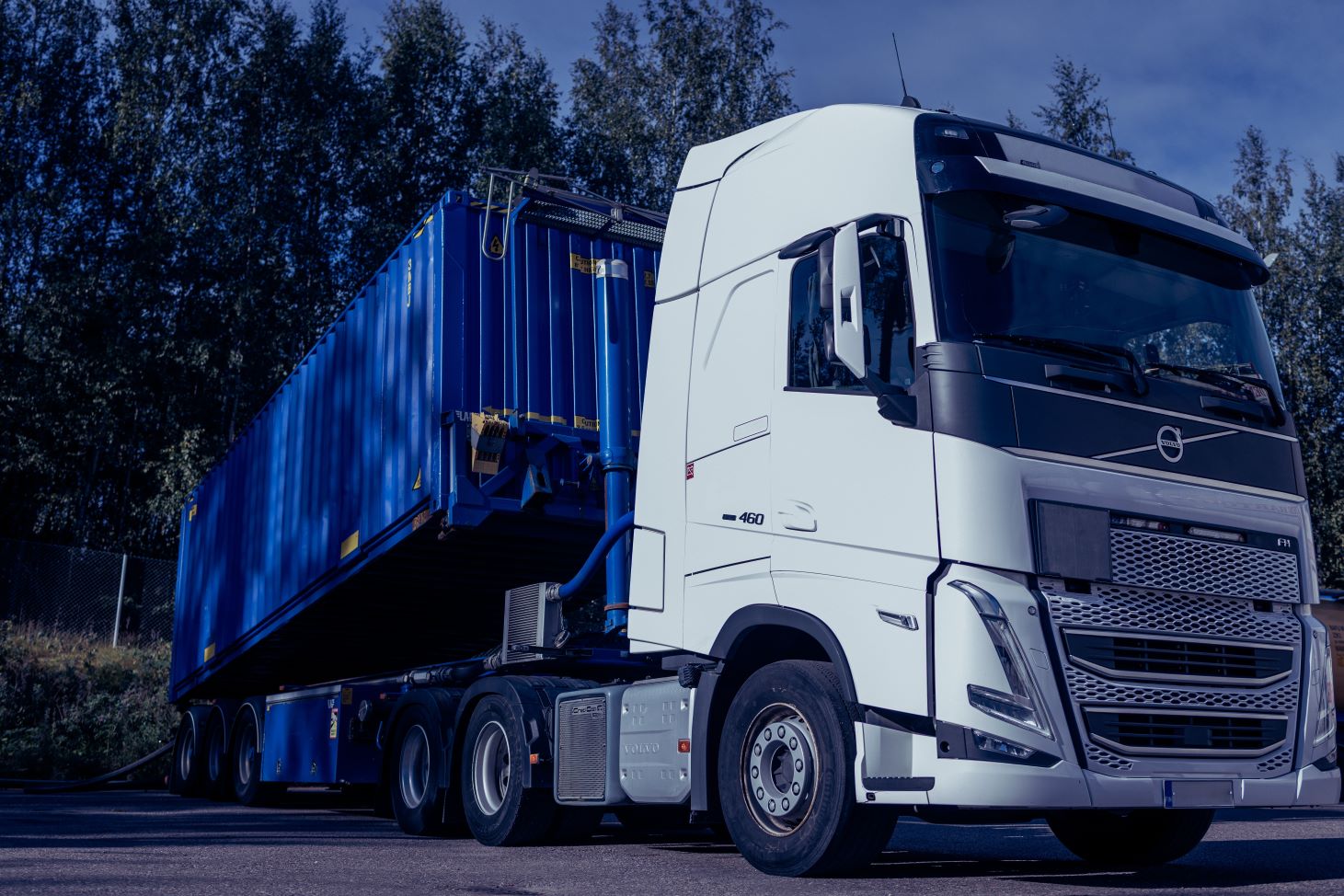
For delivery directly into storage silos, silo containers and rotary valve systems allow cargo to be transferred pneumatically without manual handling. Tipping chassis provide another flexible option for inland transport, enabling direct discharge at the destination without additional equipment. This range of options means dry bulk logistics can be tailored to your specific infrastructure and operational requirements, whether you’re delivering to a warehouse, a processing plant, or an agricultural facility.
When should a company choose flexitanks over ISO tanks for bulk liquid?
A company should choose flexitanks over ISO tanks when transporting non-hazardous bulk liquids where cost efficiency is the primary concern. Flexitanks, which can hold up to 27,000 litres inside a standard 20-foot container, offer a lower-cost alternative to ISO tank containers for suitable cargo types. They are particularly well suited for food-grade liquids, non-hazardous chemicals, and other liquid commodities that do not require pressure-rated containment.
The cost advantage of flexitanks comes from their use of standard shipping containers, which are widely available and do not require the same level of repositioning management as ISO tanks. For a company shipping non-hazardous liquids on a regular basis, this can translate into meaningful savings per shipment without compromising safety or cargo integrity.
ISO tanks, on the other hand, are the right choice for hazardous chemicals, gases, and high-heat cargo that requires pressure-rated, temperature-controlled containment. They are built to international standards for dangerous goods and offer the structural robustness needed for sensitive or regulated cargo. The choice between the two ultimately comes down to your cargo classification, volume requirements, and the level of containment your product demands. If your cargo qualifies for flexitank transport, it is often the more practical and economical route. If it requires hazardous goods certification or high-pressure containment, an ISO tank is the appropriate solution.
How does intermodal transport work for bulk cargo logistics?
Intermodal transport for bulk cargo combines multiple transport modes, typically sea, road, and sometimes rail, using a single container unit that moves without the cargo being repacked or transferred between modes. For bulk cargo, this means your ISO tank, flexitank, or dry bulk container can travel by vessel across international routes and then continue by truck to the final destination, all within the same unit.
The main advantage of intermodal logistics for bulk cargo is seamless continuity. Because the cargo stays in the same container throughout the journey, the risk of contamination, damage, or handling errors between transport legs is significantly reduced. This is particularly relevant for sensitive food-grade products or hazardous chemicals, where every transfer point represents a potential risk.
For companies importing or exporting through the Nordics and Baltics, intermodal solutions connect deep-sea shipping routes with local trucking networks, enabling door-to-door bulk cargo logistics services that cover the full journey from origin to final delivery. This end-to-end approach simplifies supply chain management, reduces the number of parties you need to coordinate with, and gives you better visibility over your shipment from start to finish.
Effective intermodal bulk logistics also requires expertise in customs clearance, documentation, and terminal handling at each transfer point. Getting these details right is what separates a smooth delivery from costly delays, which is why working with a logistics partner for bulk cargo transport who understands both the technical and administrative sides of international bulk transport makes a practical difference.
At Transitainer Shipping, we operate tank container transport across the Nordics, Baltics, and globally, handling everything from deep-sea shipping to local trucking, terminal operations, cleaning, maintenance, and customs documentation. Whether you need ISO tank transport for hazardous chemicals, cost-effective flexitank transport solutions for non-hazardous liquids, or tailored dry bulk cargo transport services with container-to-silo delivery, we manage the full logistics chain so you don’t have to.
Ready to streamline your bulk cargo operations?
If you’re looking for a logistics partner who can handle the full scope of your bulk cargo needs, from equipment selection and documentation to customs clearance and final delivery, we’re here to help. Reach out to our team today to discuss your requirements and find out how we can support your supply chain.