Choosing the right tank container for liquid transportation depends on your cargo type, volume requirements, and transport route. Tank containers, also known as ISO tanks, offer secure global transport for liquids, gases, and chemicals, while flexitanks provide cost-effective solutions for non-hazardous bulk liquids. Your selection impacts safety, efficiency, and operational costs throughout the supply chain.
What exactly is a tank container and why does it matter for liquid transport?
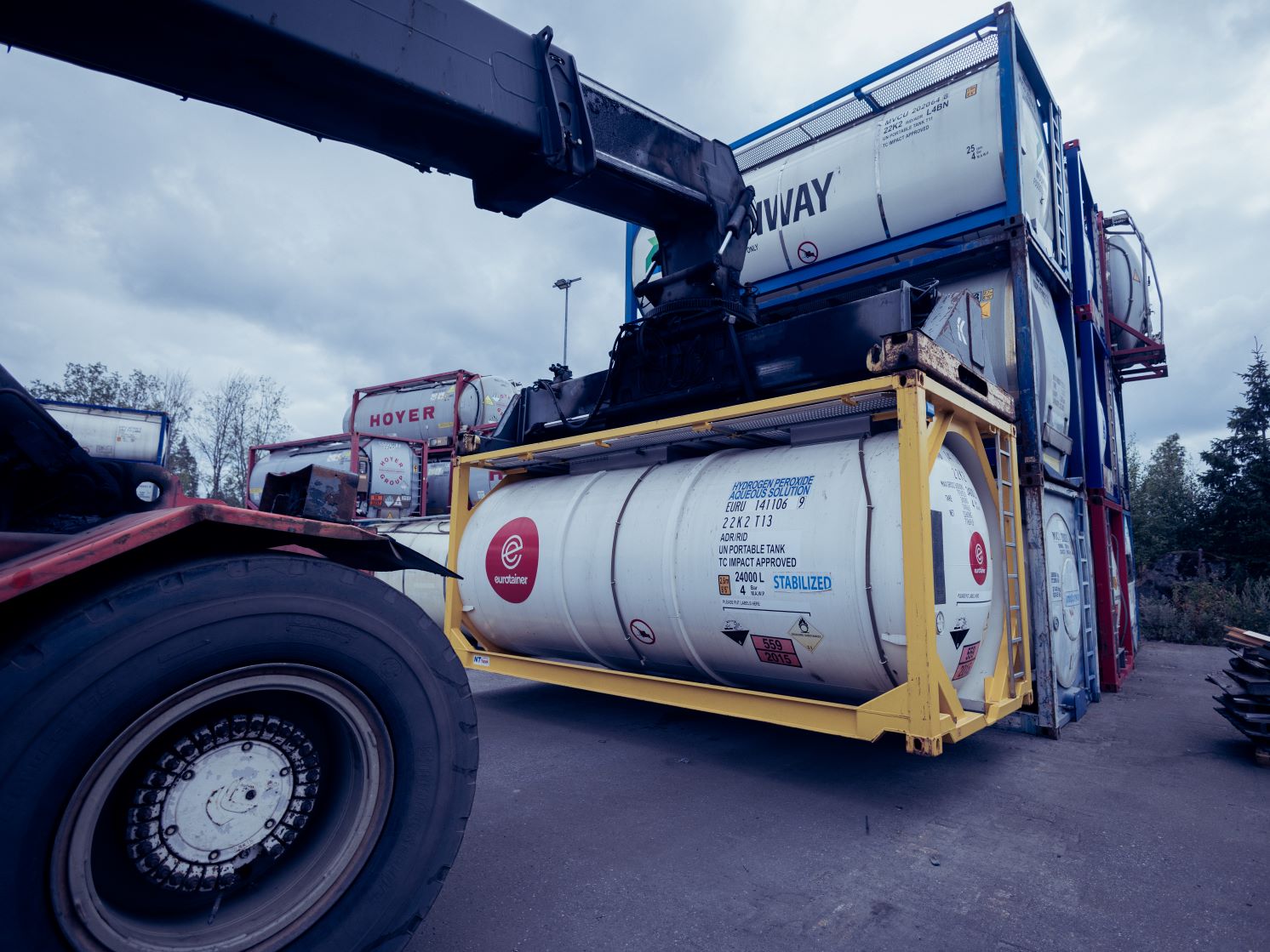
A tank container is a standardized steel vessel built into an ISO container frame for transporting liquid and gas cargo globally. These containers enable seamless intermodal transport across sea, road, and rail networks without transferring the cargo itself. Tank containers matter because they provide secure containment, maintain cargo integrity, and offer flexible routing options for international shipments.
Tank containers handle diverse cargo types including chemicals, food-grade liquids, and hazardous materials. The standardized design means they fit existing container transport infrastructure worldwide. This compatibility eliminates the need for specialized handling equipment at most terminals and ports.
The importance extends beyond simple containment. Tank containers enable door-to-door delivery without cargo transfers, reducing contamination risks and handling costs. They also provide better cargo security compared to other bulk transport methods, with sealed systems that protect contents from external contamination.
What’s the difference between ISO tank containers and flexitanks?
ISO tank containers are rigid steel vessels permanently mounted in container frames, while flexitanks are flexible plastic bladders installed inside standard shipping containers. Tank containers handle liquids, gases, and hazardous materials with capacities typically ranging from 17,500 to 26,000 litres. Flexitanks accommodate non-hazardous liquids only, with capacity up to 27,000 litres.
The structural differences create distinct operational advantages. Tank containers offer reusable, durable solutions suitable for multiple cargo types including temperature-sensitive and hazardous materials. They provide precise loading and discharge control with built-in valves and heating systems when required.
Flexitanks excel in cost efficiency for one-way shipments of non-hazardous liquids. They transform standard containers into liquid transport vessels, offering flexibility when tank container availability is limited. However, flexitanks cannot handle gases, hazardous materials, or cargo requiring temperature control during transport.
Your choice depends on cargo characteristics and operational requirements. Tank containers suit regular shipping routes with diverse cargo types, while flexitanks work well for occasional shipments of compatible liquids where cost efficiency is the primary concern.
How do you determine the right tank container capacity for your cargo?
Tank container capacity selection depends on cargo volume, transport efficiency, and operational constraints. Match your shipment volume to available container sizes, considering that partial loads may increase per-litre transport costs. Standard tank containers range from 17,500 to 26,000 litres, with specific sizes depending on cargo density and safety requirements.
Consider your regular shipping volumes when selecting capacity. Consistent full loads maximize transport efficiency and reduce costs per unit. If your typical shipments are smaller, evaluate whether combining shipments or using smaller capacity containers provides better value.
Cargo characteristics influence capacity decisions. Dense liquids may require smaller volumes due to weight restrictions, while lighter materials can utilize full container capacity. Some hazardous materials have specific volume limitations that override standard capacity considerations.
Transport route infrastructure also affects capacity choice. Some regions have weight restrictions that limit the amount of cargo you can load regardless of container volume. Check route-specific limitations before finalizing capacity requirements to avoid operational complications.
What factors should you consider when choosing between tank container options?
Tank container selection requires evaluating cargo compatibility, safety requirements, cost implications, and operational flexibility. Consider whether your cargo is liquid, gas, or requires special handling like temperature control or hazardous material protocols. Match container specifications to cargo characteristics for safe, compliant transport.
Safety considerations include cargo classification, required certifications, and handling procedures. Hazardous materials need containers with appropriate safety features and documentation. Food-grade cargo requires containers with suitable internal coatings and cleaning certifications.
Cost factors extend beyond initial transport rates. Consider loading and discharge requirements, cleaning costs between shipments, and potential demurrage charges. Some cargo types require specialized cleaning that affects turnaround times and costs.
Operational flexibility involves route options, scheduling requirements, and equipment availability. Global tank container operations provide access to equipment worldwide without worrying about scheduled routes or managing logistics yourself. This service model allows for seamless, end-to-end handling of bulk liquid shipments, providing both efficiency and peace of mind.
Evaluate your long-term transport needs alongside immediate requirements. Regular shipments may benefit from dedicated equipment arrangements, while occasional transport needs might suit flexible, on-demand solutions that adapt to changing operational requirements.
Selecting the right tank container involves balancing cargo requirements, operational needs, and cost considerations. Understanding the differences between ISO tanks and flexitanks helps you choose appropriate solutions for your specific transport requirements. At Transitainer Shipping, we work with both flexitanks and ISO tanks, each designed to suit different cargo requirements, offering flexibility, reliability, and scalability through our comprehensive global operations. To discuss your specific liquid transport needs, contact us today.