Tank containers offer significant advantages for liquid cargo transport through their robust design, cost efficiency, and global flexibility. These standardised steel vessels provide safer handling, reduced contamination risks, and seamless intermodal connections compared to traditional liquid transport methods. They accommodate various cargo types from chemicals to food-grade liquids while eliminating multiple transfers and reducing overall shipping costs.
What exactly are tank containers and how do they work?
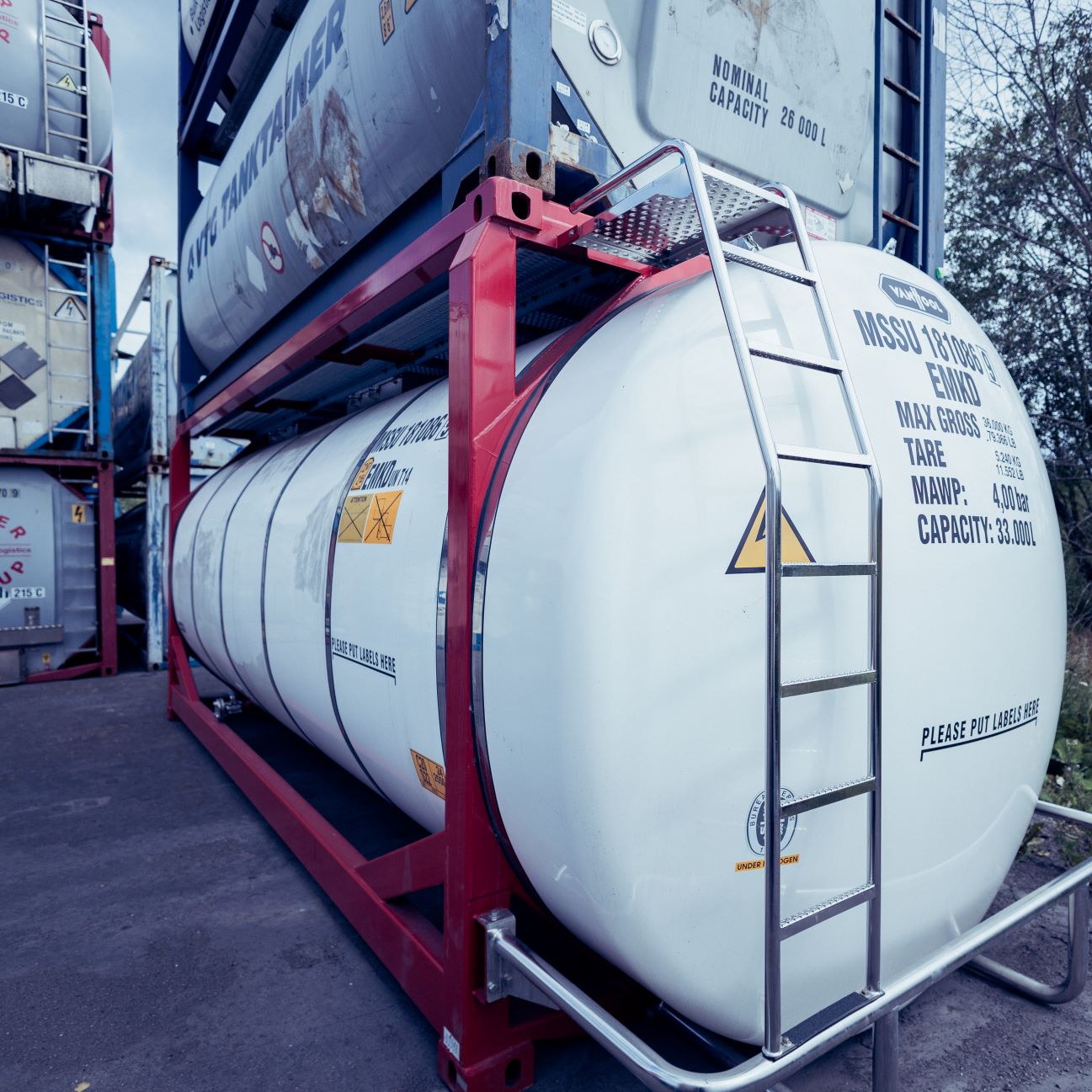
Tank containers, also known as ISO tanks, are standardised steel vessels built within a protective framework that meets international shipping standards. These containers feature cylindrical stainless steel tanks surrounded by insulation and protective outer frames, designed specifically for transporting liquid and gas cargo safely across different transport modes.
The basic structure includes a pressure-tested inner tank made from food-grade or chemical-resistant stainless steel, depending on the intended cargo. The outer framework allows standard handling equipment like cranes and forklifts to move them easily. Most tank containers hold between 17,500 and 26,000 litres of liquid cargo.
These containers function seamlessly in intermodal logistics systems, moving directly from ships to trucks to rail without transferring the liquid contents. The standardised dimensions mean they fit standard container handling equipment worldwide, while specialised valves and connections allow for safe loading and unloading at terminals and customer facilities.
Why are tank containers safer than other liquid transport methods?
Tank containers provide superior safety through their robust construction standards and specialised handling procedures. The steel framework protects the inner tank from external impacts, while the pressure-tested design withstands transport stresses that could damage conventional packaging methods.
The enclosed system significantly reduces contamination risks compared to bulk liquid transport or multiple smaller containers. Each tank undergoes rigorous testing and certification, with built-in safety features like pressure relief valves and secure closure systems that prevent leaks during transport.
Environmental protection comes from the sealed design that prevents spills and vapour emissions. The stainless steel construction resists corrosion and maintains cargo integrity across temperature variations and weather conditions. Specialised handling equipment and trained personnel further minimise risks during loading, transport, and unloading operations.
How do tank containers save money on liquid cargo shipping?
Tank containers eliminate intermediate transfers and reduce handling costs by moving liquid cargo directly from origin to destination without repackaging. This door-to-door capability removes the expense and risk of transferring liquids between different container types during transport.
Lower packaging requirements mean you avoid costs for drums, intermediate bulk containers, or other packaging materials. The containers themselves are reusable assets that provide long-term value compared to single-use packaging options.
Efficient loading and unloading processes reduce labour costs and port handling time. The standardised design works with existing container handling equipment, avoiding special handling fees. Scalable transport solutions allow you to adjust capacity based on actual cargo volumes rather than paying for unused space in larger bulk vessels.
What types of liquids can you transport in tank containers?
Tank containers accommodate a wide range of liquid cargo types including chemicals, food-grade products, gases, and both hazardous and non-hazardous materials. The stainless steel construction makes them suitable for aggressive chemicals, while food-grade specifications allow transport of edible oils, beverages, and food ingredients.
Chemical cargo includes industrial solvents, acids, bases, and specialty chemicals that require secure containment. Food and beverage applications cover everything from cooking oils and syrups to alcoholic beverages and liquid food ingredients that demand hygienic transport conditions.
Gas transport capabilities extend to liquefied gases under pressure, while temperature-controlled options handle products requiring heating or cooling during transport. Each liquid category has specific requirements for tank specifications, cleaning procedures, and certification standards that ensure safe and compliant transport.
How does global tank container transport actually work?
Global tank container transport operates through seamless intermodal connections that move cargo across sea, road, and rail networks without transferring the liquid contents. This system provides route flexibility that adapts to shipping schedules and customer requirements worldwide.
The operational process begins with loading liquid cargo at the origin facility using specialised pumping equipment. The sealed container then moves through various transport modes using standard container handling equipment at ports, rail terminals, and distribution centres.
End-to-end handling processes include documentation management, customs clearance, and coordination between different transport providers. International shipments benefit from standardised procedures and equipment that work consistently across different countries and transport networks. This global compatibility ensures reliable delivery while maintaining cargo integrity throughout the journey.
Tank containers represent an efficient solution for businesses requiring reliable liquid cargo transport across global supply chains. The combination of safety, cost efficiency, and operational flexibility makes them particularly valuable for companies managing complex international logistics requirements. At Transitainer Shipping, we operate tank containers globally, which means you don’t need to worry about scheduled routes or managing logistics yourself, providing seamless end-to-end handling of your bulk liquid shipments. Contact us to learn more about our services.