Flexitank freight forwarding is a specialised shipping method that uses flexible bladder containers to transport bulk liquids in standard shipping containers. Unlike traditional container shipping, this approach allows you to move large volumes of non-hazardous liquids cost-effectively while maintaining product integrity. The key differences include container utilisation, cargo handling methods, and the comprehensive logistics support required for bulk liquid transport.
What exactly is flexitank freight forwarding and how does it work?
Flexitank freight forwarding involves using flexible bladder containers that fit inside standard 20-foot shipping containers to transport bulk liquids. A flexitank can have a capacity of up to 27,000 litres, making it an efficient solution for moving substantial quantities of liquid cargo without requiring specialised tank containers.
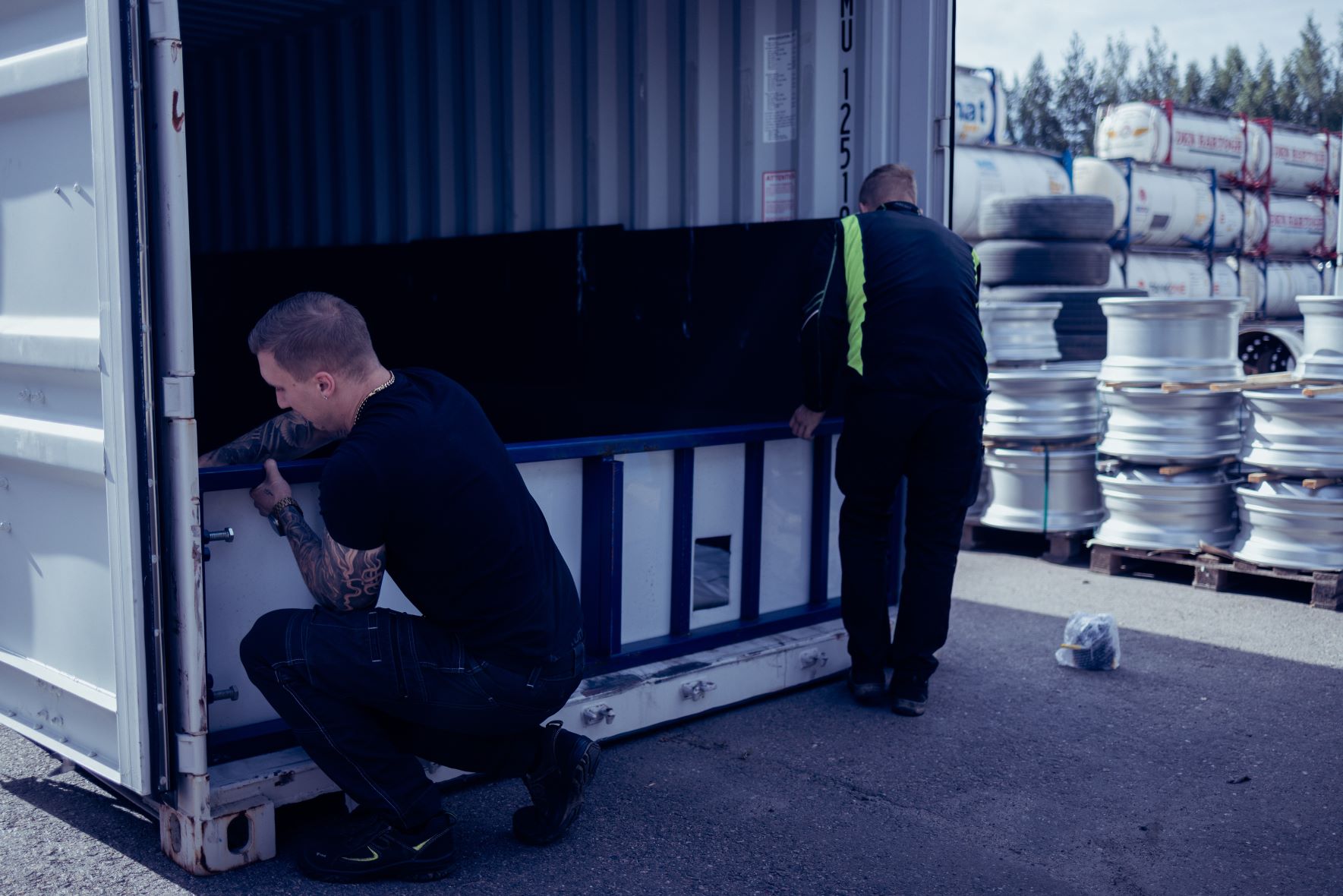
The system works by installing a food-grade polyethylene bladder inside a standard container. This bladder expands to fill the container space when loaded with liquid cargo. The flexitank connects to loading and discharge equipment through valves and fittings, allowing for controlled filling and emptying processes.
Flexitank logistics providers handle the entire process, from container preparation and flexitank fitting to transportation coordination and discharge assistance. This includes depot services, technical support during loading operations, and recycling programmes for used flexitanks. The approach transforms standard containers into liquid transport vessels, offering flexibility in shipping schedules and routes.
How does flexitank shipping compare to ISO tank container transport?
Flexitank shipping and ISO tank containers serve different cargo requirements and operational needs. Flexitanks work best for non-hazardous liquids in single-use applications, while ISO tanks handle hazardous materials and provide reusable solutions for multiple shipments.
ISO tank containers offer greater versatility for chemical transport, temperature-controlled cargo, and gases. They provide robust construction suitable for hazardous materials and can be used repeatedly across multiple shipments. However, they require specific equipment positioning and may have scheduling constraints based on tank availability.
Flexitank container services provide cost advantages for one-way shipments of food-grade liquids and non-hazardous cargo. They eliminate the need to return empty containers and offer more scheduling flexibility since they use standard shipping containers. The choice between flexitanks and ISO tanks depends on cargo type, volume requirements, safety specifications, and whether you need ongoing transport solutions or single shipments.
What types of cargo can you ship using flexitank freight forwarding?
Flexitank freight forwarding handles non-hazardous liquid cargo, including food-grade products, industrial liquids, and various bulk liquid commodities. Common cargo types include edible oils, fruit juices, wine, liquid sweeteners, and non-dangerous chemicals that do not require specialised handling.
Food and beverage manufacturers frequently use flexitank transport services for ingredients such as palm oil, coconut oil, fruit concentrates, and liquid glucose. The food-grade materials ensure product safety and maintain quality during transport. Industrial applications include non-hazardous chemicals, lubricants, and liquid raw materials used in manufacturing processes.
Flexitank suppliers can accommodate temperature-sensitive cargo through insulation and heating solutions when needed. However, the cargo must be compatible with polyethylene materials and fall within non-hazardous classifications. Flexitank logistics services include technical consultation to determine cargo suitability and proper handling requirements for specific liquid products.
Why choose flexitank freight forwarding over standard container shipping?
Flexitank freight forwarding offers superior cost-efficiency for bulk liquid transport compared to standard container shipping methods. You avoid the expense and complexity of drums, intermediate bulk containers, or other packaging while maximising container utilisation with up to 27,000 litres of capacity.
Standard container shipping requires significant packaging costs, loading time, and handling complexity for liquid cargo. Flexitank shipping solutions eliminate these concerns by providing direct liquid loading and discharge capabilities. This reduces labour costs, packaging waste, and potential contamination risks associated with multiple smaller containers.
Flexitank transport companies provide end-to-end logistics handling that includes container preparation, technical support, and discharge assistance. This comprehensive service model ensures proper handling throughout the journey while maintaining cost transparency. The flexibility to use standard shipping schedules and routes provides better availability than specialised tank container services, particularly for one-way shipments where return logistics would add unnecessary costs.
When you need reliable bulk liquid transport for non-hazardous cargo, flexitank freight forwarding combines cost-effectiveness with operational simplicity. We specialise in flexitank logistics services, providing comprehensive support from fitting to discharge, backed by our global network and technical expertise to ensure your liquid cargo reaches its destination safely and efficiently. For more information about our flexitank solutions, contact us today.