Flexitank freight forwarding is a specialised logistics service that uses flexible, bladder-like containers to transport bulk liquids in standard shipping containers. These cost-efficient solutions can hold up to 27,000 litres of non-hazardous cargo, making them ideal for food-grade liquids and other bulk shipments that do not require rigid tank containers.
What exactly is flexitank freight forwarding?
Flexitank freight forwarding combines flexible container technology with comprehensive logistics services to move bulk liquids efficiently across global supply chains. A flexitank is a large, flexible bladder that fits inside a standard 20-foot shipping container, transforming it into a liquid transport vessel with a capacity of up to 27,000 litres.
This transport method works particularly well for non-hazardous cargo such as food-grade oils, fruit juices, wine and various industrial liquids. The flexible nature of these containers allows them to conform to the container’s shape whilst providing secure containment for your bulk liquid shipments.
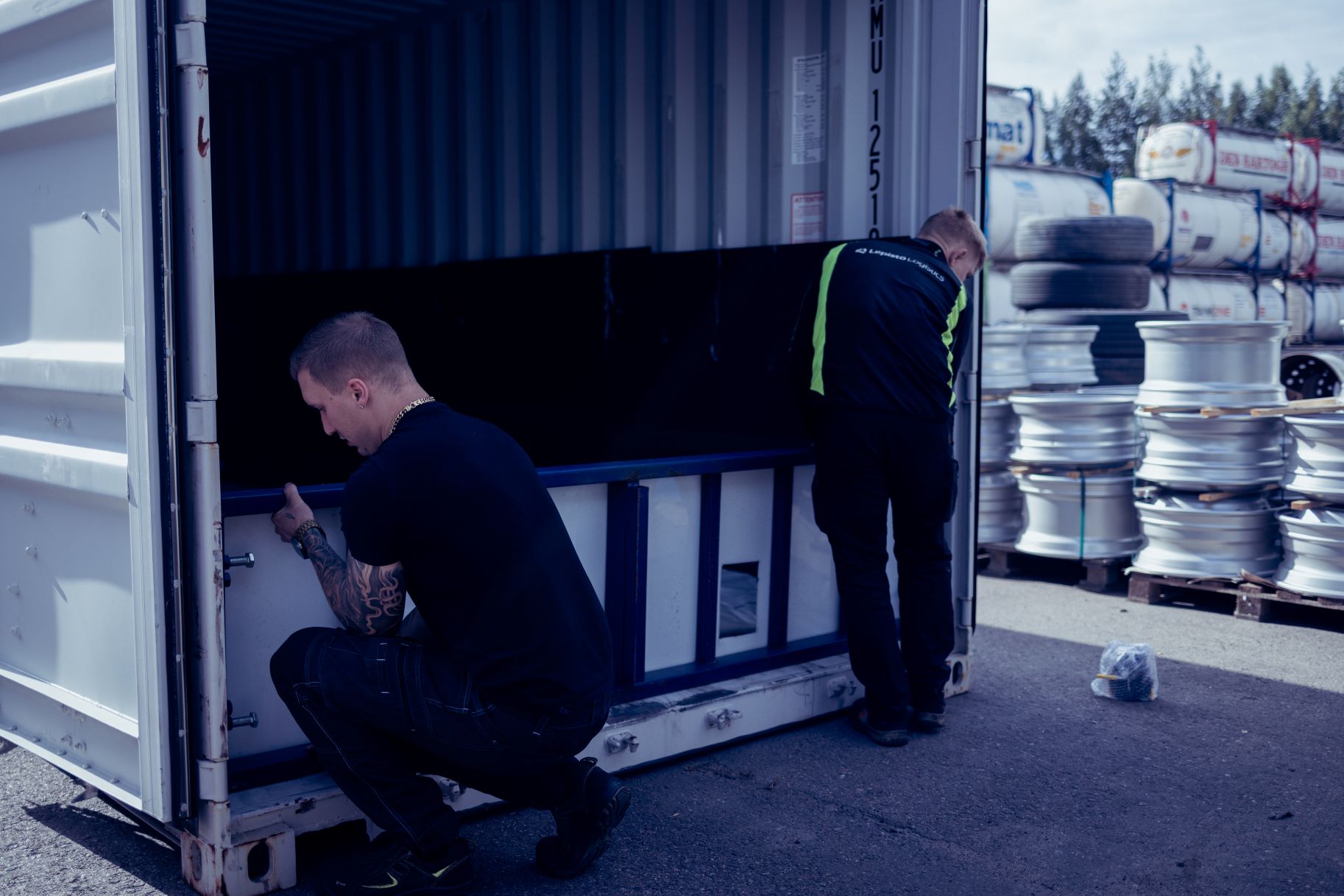
Flexitank logistics providers handle the entire process, from fitting the flexible container through to delivery at your destination. This includes coordinating with shipping lines, managing documentation and ensuring proper handling throughout the journey. The service model eliminates the need for you to manage complex logistics arrangements or worry about the return transport of empty containers.
How does flexitank shipping actually work in practice?
The flexitank shipping process begins with fitting the flexible container inside a standard shipping container at the loading facility. Your bulk liquid is then pumped directly into the flexitank through specialised loading equipment, eliminating the need for intermediate packaging or multiple handling steps.
Once loaded, the container moves through the intermodal transport network using standard shipping routes. The seamless end-to-end handling approach means your cargo travels via truck, rail and sea transport without requiring transfers between different container types. This reduces handling risks and maintains product integrity throughout the journey.
At the destination, the discharge process involves connecting pumping equipment to extract your liquid cargo. The flexible container is then removed and typically recycled through established programmes. This single-use approach eliminates concerns about container cleanliness or contamination from previous shipments, which is particularly important for food-grade products.
Temperature-controlled storage and cross-pumping services are available when needed, along with technical assistance throughout the loading and unloading process. Door-to-door delivery services ensure your cargo reaches its final destination efficiently.
What is the difference between flexitanks and ISO tank containers?
Flexitanks and ISO tank containers serve different cargo requirements and operational needs. Flexitanks are single-use, flexible containers designed for non-hazardous liquids, whilst ISO tanks are reusable, rigid containers suitable for a broader range of cargo, including chemicals, gases and high-temperature products.
From an operational perspective, flexitanks offer greater flexibility because you do not need to coordinate return logistics for empty containers. After discharge, the flexible container is disposed of or recycled, simplifying your supply chain management. ISO tanks, however, require positioning and return coordination, which can be complex but provides cost advantages for regular shipments.
The choice between these solutions often comes down to your specific cargo requirements and shipping frequency. Flexitanks work well for occasional shipments of food-grade liquids or when you need maximum flexibility in your logistics planning. ISO tanks are better suited to hazardous cargo, high-temperature products or situations where you have regular shipping volumes that justify the more complex logistics coordination.
Both solutions offer door-to-door transport capabilities, but the underlying operational model differs significantly. Flexitank providers typically manage the entire process through their depot networks, whilst ISO tank operations require more coordination between different service providers.
Why do businesses choose flexitank freight forwarding over other shipping methods?
Businesses select flexitank freight forwarding because it offers cost-efficient bulk liquid transport without the complexity of managing specialised equipment. The single-use nature of flexitanks eliminates concerns about container availability, positioning costs and return logistics that come with other bulk transport methods.
The reliability factor is significant for international supply chains. Flexitank services operate through established depot networks with partnerships across reliable shipping lines, ensuring consistent service quality and predictable transit times. This reliability is particularly valuable for food and beverage manufacturers that need dependable logistics for their supply chains.
Scalability represents another key advantage. You can adjust shipment volumes based on demand without worrying about long-term equipment commitments or minimum volume requirements. This flexibility proves valuable for businesses with seasonal variations or changing market conditions.
For food-grade and other non-hazardous liquids, flexitanks provide hygienic transport solutions with recycling programmes that support environmental objectives. The comprehensive service model includes technical expertise, documentation handling and quality assurance, allowing you to focus on your core business whilst ensuring your bulk liquid shipments reach their destination safely and efficiently.
The transparent cost structure associated with comprehensive service delivery makes budgeting more straightforward compared with managing multiple logistics providers separately. This integrated approach to flexitank logistics services delivers both operational efficiency and peace of mind for your bulk liquid transport requirements.
Understanding flexitank freight forwarding helps you make informed decisions about your bulk liquid transport needs. Whether you are moving food-grade products or other non-hazardous liquids, this logistics solution offers the flexibility and reliability that modern supply chains require. At Transitainer Shipping, we specialise in providing comprehensive flexitank logistics services that simplify your bulk cargo transportation whilst maintaining the highest standards of quality and reliability. Contact us for expert guidance on your flexitank shipping requirements.