Flexitanks are installed in standard shipping containers through a systematic preparation and positioning process that transforms regular containers into bulk liquid transport solutions. These flexible bladders fit inside 20-foot containers and can carry up to 27,000 litres of non-hazardous liquids. The installation involves securing protective barriers, positioning the flexitank, and connecting discharge systems for safe transport.
What is a flexitank and how does it work in containers?
A flexitank is a large, flexible bladder made from multiple layers of polyethylene that transforms standard shipping containers into bulk liquid transport vessels. These flexitank container services work by fitting the bladder inside a 20-foot dry container, allowing you to transport liquid cargo without needing specialised tank containers.
The system works through a simple yet effective design. The flexitank fills the entire container space, maximising cargo capacity while maintaining the convenience of standard container shipping. This approach gives you access to regular shipping schedules and routes without the constraints of specialised equipment availability.
Flexitank logistics providers use these systems for non-hazardous liquids including food-grade products, industrial oils, and various chemicals. The flexibility comes from using standard containers that integrate seamlessly with existing shipping networks, giving you more routing options and competitive freight rates compared to dedicated tank container services.
How much liquid can a flexitank actually hold?
A flexitank can hold up to 27,000 litres of liquid cargo, making it significantly more efficient than drum or intermediate bulk container alternatives. However, the actual loading volume depends on liquid density, container weight limits, and specific shipping line restrictions that may apply to your cargo.
The practical capacity often ranges between 16,000 and 24,000 litres for most flexitank shipping services. This variation occurs because you must consider the combined weight of the liquid, flexitank material, and container to stay within maximum gross weight limits of approximately 28–30 tonnes for road transport.
Flexitank suppliers typically recommend calculating your specific capacity based on liquid density. For example, lighter liquids like wines or fruit juices can utilise the full volume capacity, while heavier products like certain oils may require reduced volumes to comply with weight restrictions. This calculation ensures safe transport while maximising your cargo efficiency.
What’s the step-by-step process for installing a flexitank?
Flexitank installation follows a precise sequence starting with container preparation, protective material placement, flexitank positioning, and system connection. The process typically takes 2–3 hours and requires trained personnel to ensure proper fitting and safety compliance for your liquid cargo transport.
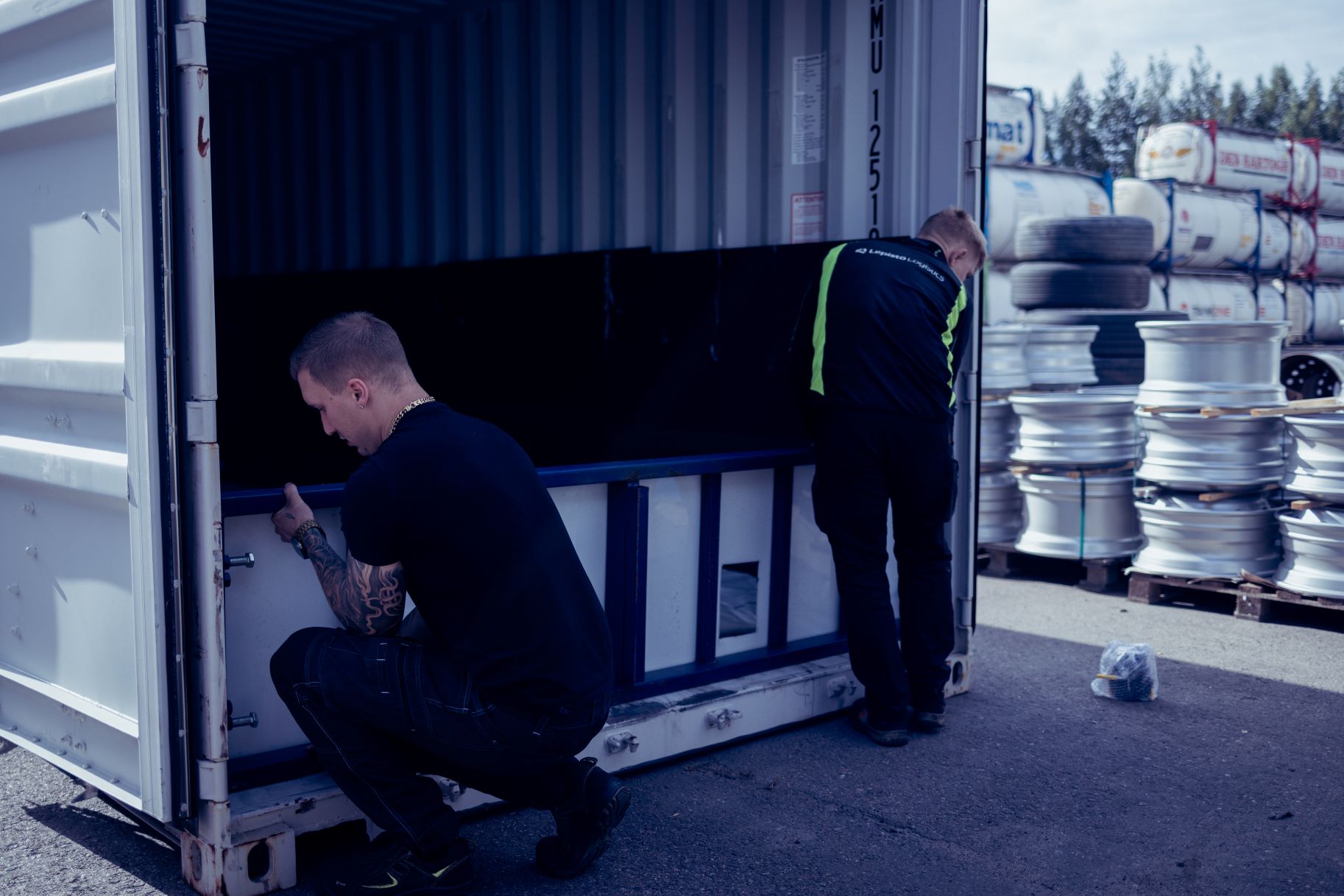
The installation begins with thorough container inspection, checking for sharp edges, protruding bolts, or damage that could puncture the flexitank. Flexitank freight forwarding specialists then install protective barriers on the container walls, floor, and doors using corrugated sheets and foam padding.
Next, the flexitank is positioned inside the container with the discharge valve accessible near the door end. The bladder is carefully unfolded to avoid creasing or damage, then connected to the loading and discharge systems. Quality flexitank transport companies complete final checks on valve connections, protective positioning, and proper securing before approving the container for loading operations.
Why choose flexitanks over other bulk liquid transport options?
Flexitanks offer cost-efficient bulk liquid transport for non-hazardous cargo with greater scheduling flexibility compared to ISO tanks. You benefit from using standard shipping containers, accessing regular liner services, and avoiding the higher costs associated with specialised tank container rental and positioning.
The reliability advantage comes from flexitank logistics services that operate within established container shipping networks. You don’t need to worry about tank container availability or repositioning costs, as flexitanks use standard equipment that’s readily available at most ports and terminals worldwide.
Flexitank shipping solutions provide operational flexibility through simplified logistics management. Unlike ISO tanks that require specific handling equipment and cleaning procedures between different cargo types, flexitanks are single-use systems that eliminate cross-contamination concerns and reduce turnaround times for your shipping operations.
The choice between flexitanks and other transport methods depends on your specific cargo requirements, volume consistency, and operational preferences. Flexitank transport services work particularly well for regular shipments of non-hazardous liquids where cost efficiency and scheduling flexibility take priority over specialised handling capabilities.
When you’re planning bulk liquid shipments, consider how flexitank logistics providers can integrate with your supply chain requirements. We operate flexitank services alongside tank containers globally, giving you comprehensive options that match your specific cargo needs while maintaining the operational reliability and transparent pricing that support your business planning. Contact us for shipping solutions tailored to your requirements.