Flexitank shipping services provide cost-efficient bulk liquid transport using flexible containers that fit inside standard shipping containers. These services are ideal for non-hazardous liquids, offering capacities of up to 27,000 litres per shipment. Flexitank logistics combine the flexibility of containerised transport with specialised handling for liquid cargo, making them popular among food and beverage manufacturers, chemical companies, and other businesses requiring reliable bulk liquid transport solutions.
What exactly are flexitanks and how do they work for shipping?
Flexitanks are flexible containers made from multiple layers of polyethylene that transform standard 20-foot shipping containers into liquid transport vessels. These bladder-like containers fit snugly inside regular shipping containers, allowing you to ship bulk liquids without investing in specialised tank equipment.
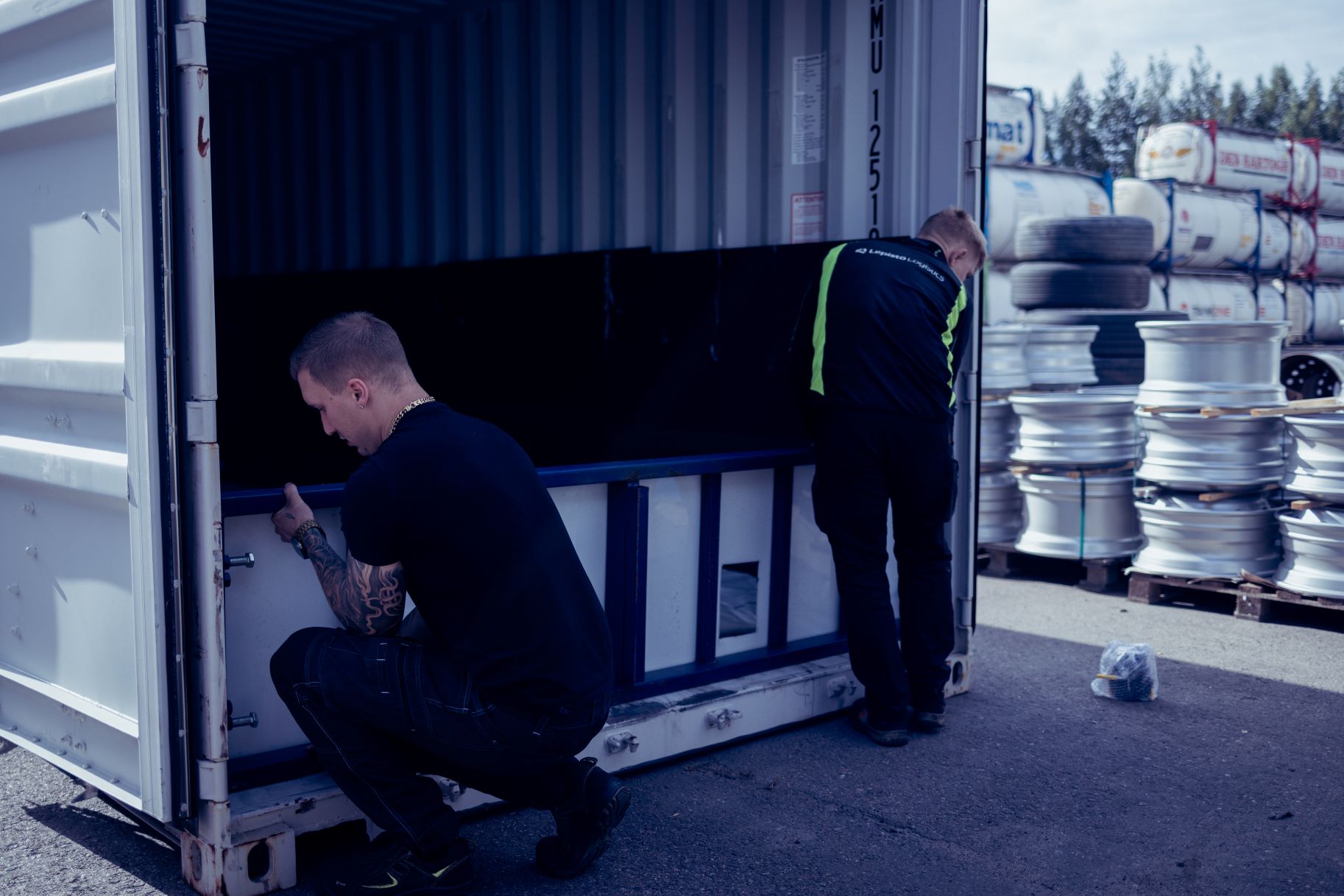
The system works by installing the flexitank inside a standard container, then filling it with liquid cargo through valves and connections. Once filled, the flexitank takes the shape of the container, maximising space utilisation while protecting the liquid from contamination. This approach gives you access to global shipping networks using conventional container vessels and handling equipment.
Flexitank container services handle the technical aspects of installation, filling, and discharge, ensuring proper weight distribution and secure transport. The flexible design allows for efficient loading and unloading at ports and facilities equipped with standard container-handling equipment.
How much liquid can flexitanks actually carry?
A flexitank can carry up to 27,000 litres of liquid cargo in a single 20-foot container. This capacity makes flexitanks suitable for substantial bulk shipments while remaining within standard container weight limits and handling capabilities.
The actual capacity you can use depends on the liquid’s density and specific gravity. Heavier liquids may require reduced volumes to stay within container weight restrictions, typically around 24 tonnes maximum gross weight. Lighter liquids such as wines or fruit juices can often utilise the full 27,000-litre capacity.
This volume capacity positions flexitanks between smaller drum shipments and larger ISO tank containers. For businesses requiring regular shipments in this range, flexitank freight forwarding offers an optimal balance between shipment size and logistics flexibility, particularly when you don’t need the liquid returned in the same container.
What types of liquids can you ship using flexitank services?
Non-hazardous liquids are suitable for flexitank transport, including food-grade products, industrial chemicals, and various liquid commodities. Common cargo types include fruit juices, wines, edible oils, latex, non-dangerous chemicals, and liquid fertilisers.
Food and beverage products work particularly well with flexitank logistics because the containers are food-grade certified and provide excellent protection from contamination. Industrial liquids that don’t require heating or cooling during transport also suit this shipping method effectively.
However, flexitanks aren’t appropriate for hazardous materials, high-temperature liquids, or cargo requiring precise temperature control during transport. Flexitank providers can advise on specific liquid compatibility, as some products may require particular liner materials or handling procedures to ensure safe transport.
How do flexitank services compare to other bulk liquid transport options?
Flexitank shipping services offer greater cost efficiency than ISO tanks for one-way shipments because you don’t need to return empty containers. This makes them ideal when you’re importing liquids without corresponding export requirements or when return logistics would be complicated.
Compared with drum shipments, flexitank transport provides better space utilisation and reduced packaging costs. You avoid the expense and logistics of managing thousands of individual containers, while still accessing standard shipping networks and handling procedures.
ISO tanks offer advantages for hazardous materials, temperature-controlled cargo, or situations requiring multiple uses of the same container. Flexitank suppliers focus on single-use efficiency, making them cost-effective for businesses with straightforward liquid transport needs that don’t require specialised tank container features.
The choice between flexitank rental services and other options often comes down to your specific cargo requirements, shipping frequency, and whether you need return transport capacity. Flexitank logistics providers can help evaluate which solution offers the best combination of cost, reliability, and operational simplicity for your particular liquid transport needs.
Understanding these different aspects of flexitank shipping helps you make informed decisions about bulk liquid transport. When you need reliable, cost-efficient solutions for non-hazardous liquid cargo, we provide comprehensive flexitank logistics services backed by our global network and technical expertise in bulk cargo transportation. For more information about our flexitank solutions, please contact us for expert guidance.