Flexitank logistics costs vary based on route, cargo type, and service requirements, but they typically offer significant savings compared to traditional shipping methods for bulk liquid transport. The exact pricing depends on factors such as distance, handling complexity, and whether you need additional services like temperature control or technical assistance. Understanding these cost components helps you make informed decisions about bulk liquid shipping solutions.
What exactly is a flexitank and how does it affect shipping costs?
A flexitank is a flexible container designed for bulk liquid transport that can hold up to 27,000 litres of non-hazardous cargo. This large capacity directly impacts shipping costs by maximising the volume of liquid you can transport in a single standard shipping container, reducing your per-litre transportation expenses.
The design of flexitanks creates several cost advantages over traditional shipping methods. Because they fit inside standard shipping containers, you avoid the need for specialised vessels or dedicated liquid transport infrastructure. This compatibility with existing shipping networks means more route options and competitive pricing from multiple carriers.
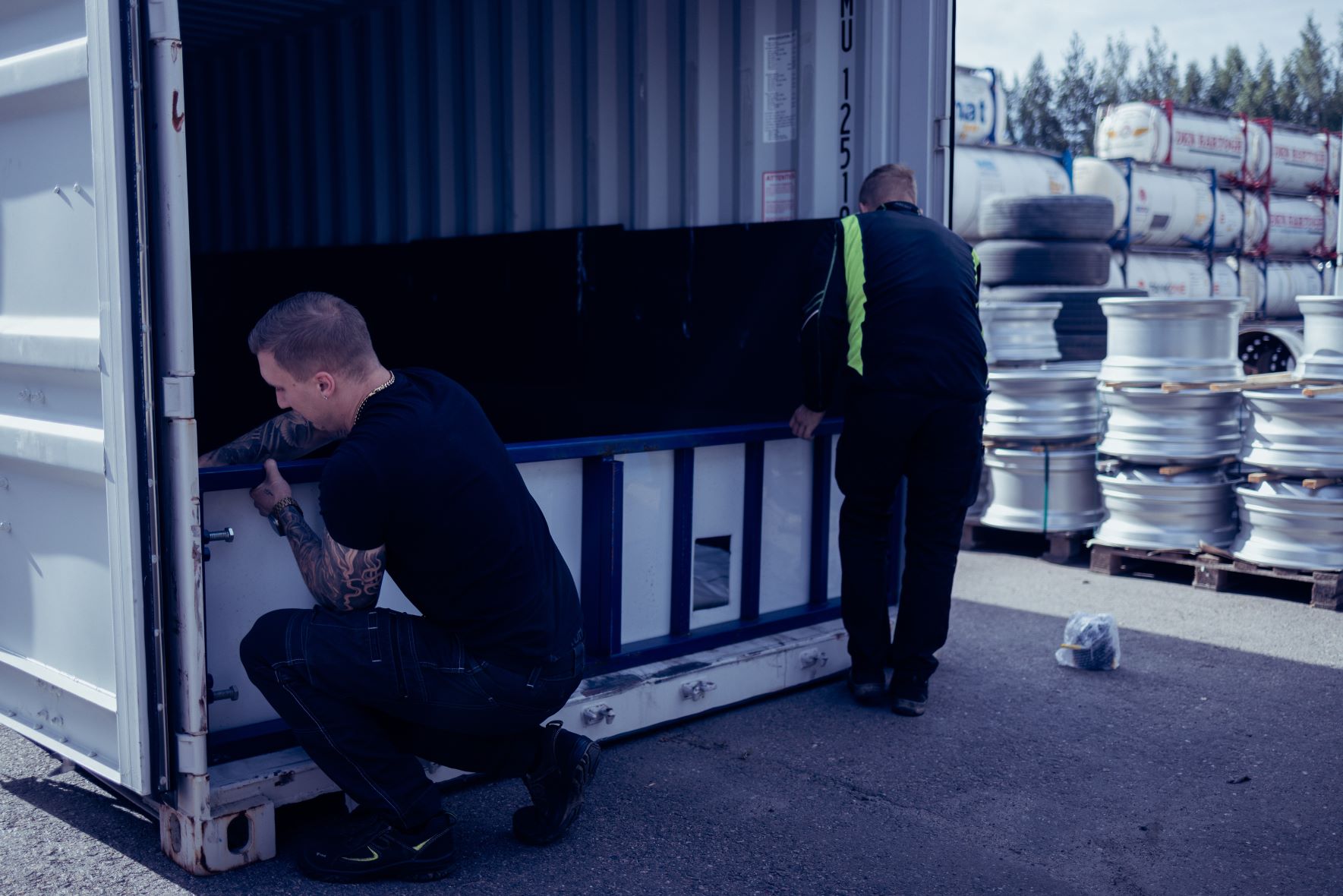
Flexitank providers typically offer comprehensive fitting services through nationwide depot networks, which streamline the loading process and reduce handling costs. The flexible nature of these containers also means they can be disposed of or recycled after use, eliminating return shipping costs that you would face with rigid containers.
Temperature-controlled storage capabilities and cross-pumping services are available when needed, allowing you to ship temperature-sensitive liquids without requiring specialised refrigerated transport throughout the entire journey. This flexibility in service options means you only pay for the specific requirements your cargo has.
What factors determine flexitank logistics pricing?
Route optimisation plays a major role in flexitank logistics pricing, as global-scale operations allow logistics providers to offer more efficient shipping paths without restricting you to scheduled routes. This operational flexibility typically results in better pricing compared to fixed-route services.
Cargo type requirements significantly influence costs, particularly for food-grade products or liquids requiring special handling procedures. Food-grade flexitanks need additional cleaning and certification processes, while chemicals may require specific documentation and safety measures that affect the overall service price.
The end-to-end service model impacts the pricing structure, as comprehensive flexitank logistics services that include door-to-door delivery, loading and unloading support, customs clearance, and technical assistance are priced differently from basic transport-only services. However, bundled services often provide better overall value than purchasing each component separately.
Geographic factors also determine costs, with local operations in regions such as the Nordics and Baltics potentially offering more competitive pricing due to established depot networks and partnerships with reliable shipping lines. Distance, port accessibility, and local handling capabilities all contribute to the final pricing structure.
How do flexitank costs compare to ISO tank container shipping?
Flexitank shipping generally offers lower costs for one-way shipments of non-hazardous liquids, while ISO tank containers provide better value for hazardous materials, gases, or situations requiring multiple uses of the same container. The choice depends on your specific cargo requirements and shipping patterns.
For flexibility and scalability, flexitanks excel in situations where you need to ship varying volumes or do not have regular return cargo. Since flexitanks are disposed of after use, you avoid the logistics and costs of returning empty containers to their point of origin, which can be substantial with ISO tanks.
ISO tank containers offer advantages for hazardous chemicals, high-temperature cargo, and gases that flexitanks cannot handle. They also provide better value for companies with regular shipping routes where the same container can be used multiple times, spreading the higher initial costs across several shipments.
The operational model affects cost comparison significantly. Companies that operate tank containers globally can optimise routes and manage logistics more efficiently than those relying on third-party container rentals, potentially making ISO tanks more cost-effective for certain shipping patterns despite higher base costs.
What makes flexitank logistics cost-effective for bulk liquid transport?
Seamless handling processes make flexitank logistics cost-effective by reducing the number of transfer points and minimising handling time at each stage. This efficiency translates into lower labour costs and a reduced risk of delays that could increase your overall shipping expenses.
Route optimisation capabilities allow flexitank transport services to find the most efficient shipping paths without being constrained by the need to return empty containers. This flexibility often results in shorter transit times and lower costs compared to rigid container systems.
Comprehensive service models provide cost transparency by bundling multiple logistics functions into clear pricing structures. When providers handle everything from container fitting and documentation to customs clearance and final delivery, you gain predictable costs and avoid unexpected charges that can arise with fragmented service providers.
The combination of technical expertise and recycling programmes adds value while controlling costs. Professional fitting services ensure optimal container utilisation and reduce the risk of cargo loss, while recycling solutions eliminate disposal concerns and associated costs that you might face with other packaging options.
Understanding flexitank logistics costs helps you make informed decisions about bulk liquid transport. The key is matching your specific requirements with the right service level and provider capabilities. At Transitainer Shipping, we operate flexitanks globally with a focus on cost-effective, comprehensive service delivery that gives you both competitive pricing and peace of mind for your bulk liquid shipments. Contact us for pricing details to explore how our flexitank solutions can meet your specific shipping needs.