Flexitank shipping works by using a flexible plastic bladder inside a standard shipping container to transport bulk liquids. A flexitank can have a capacity of up to 27,000 litres, making it a cost-efficient solution for non-hazardous liquid cargo. The system fits within standard shipping containers, allowing for global transport without the need for specialised equipment or scheduled routes.
What exactly is a flexitank and how does it work?
A flexitank is a flexible plastic bladder that transforms a standard shipping container into a bulk liquid transport solution. The system consists of a food-grade, multi-layered polyethylene bag that fits inside a 20-foot container, creating a secure environment for liquid cargo transport.
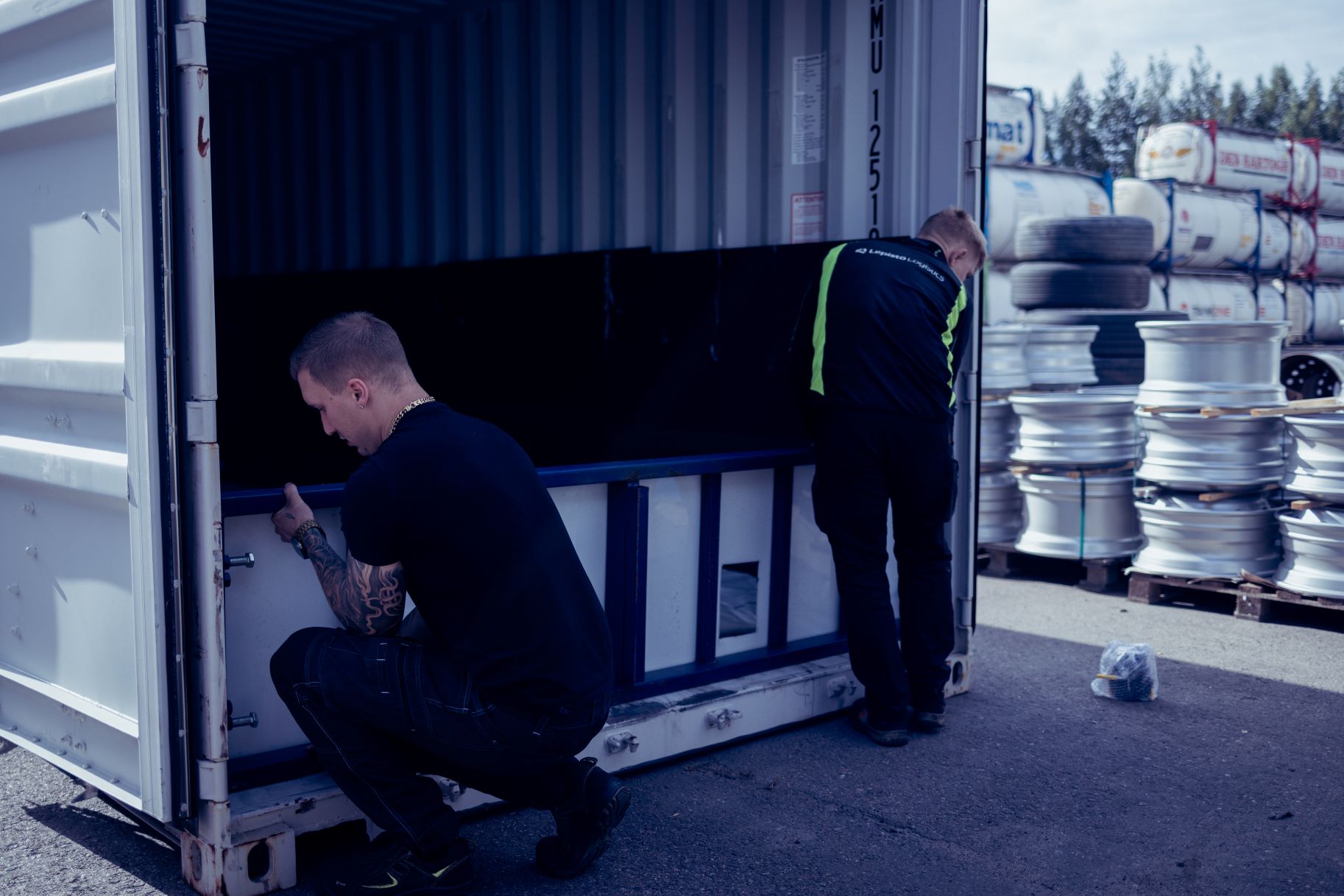
The technology works by utilising the entire interior space of a shipping container. The flexitank is installed with protective materials that prevent damage during transport and loading. The flexible nature of the system allows it to conform to the container’s shape while maintaining structural integrity throughout the journey.
With a capacity of up to 27,000 litres, flexitanks maximise container utilisation whilst providing a hygienic transport solution. The system includes specialised fittings for loading and unloading, ensuring safe handling of liquid cargo. This approach eliminates the need for returning empty containers, as the flexitank liner is typically disposed of or recycled after use.
What types of liquids can you ship using flexitanks?
Flexitanks are designed specifically for non-hazardous liquid cargo, with particular strength in food-grade applications. The system excels in transporting oils, fruit juices, wine, and other liquid food products that require hygienic handling and contamination prevention.
Food-grade liquids represent the primary market for flexitank services. This includes vegetable oils, liquid sweeteners, fruit concentrates, and beverages that benefit from the system’s clean, single-use design. The food-grade materials ensure product integrity and meet international food safety standards.
Industrial non-hazardous liquids also work well with flexitank systems. These include liquid fertilisers, industrial oils, and other bulk liquid commodities that do not require specialised chemical handling. The key requirement is that the liquid must be non-hazardous and compatible with the polyethylene construction of the flexitank system.
How does flexitank shipping compare to other bulk liquid transport methods?
Flexitanks and ISO tanks serve different cargo requirements and operational needs. Flexitanks work best for non-hazardous liquids requiring cost-efficient, single-use transport, whilst ISO tanks handle hazardous materials, gases, and cargo requiring temperature control or specialised handling.
The flexibility advantage of flexitanks lies in their global accessibility and simplified logistics. Since they use standard shipping containers, you can access any port or inland destination without worrying about specialised equipment availability. This contrasts with ISO tanks, which require specific handling equipment and return logistics for the reusable container.
From an operational perspective, flexitank logistics providers often manage the entire process globally, meaning you do not need to coordinate with multiple service providers or manage equipment returns. ISO tank operations typically involve more complex logistics coordination, especially for specialised cargo requiring technical expertise and regulatory compliance.
Cost considerations favour flexitanks for many non-hazardous applications, particularly when you factor in the comprehensive flexitank service model that includes global operations without scheduled route limitations.
What happens during the flexitank shipping process from start to finish?
The flexitank shipping process begins with container preparation and flexitank installation at the loading facility. Loading procedures involve fitting the flexitank inside a standard container, followed by connecting specialised pumping equipment to transfer the liquid cargo safely into the system.
Transport logistics operate on a global scale without the constraints of scheduled routes. This means your cargo can move through any shipping line or transport mode that handles standard containers. The flexibility extends to both ocean freight and inland transport, allowing for door-to-door delivery regardless of destination.
During transit, the flexitank system maintains cargo integrity through its multi-layered construction and protective materials. The design prevents contamination whilst accommodating the normal movement and handling that occur during international shipping.
End-to-end handling includes discharge operations at the destination, where specialised equipment removes the liquid cargo from the flexitank. The used flexitank liner is then disposed of or recycled, eliminating the need for return logistics. This comprehensive approach means you receive complete logistics support without managing multiple service providers or coordinating equipment returns.
The global operational model ensures consistent service quality and transparent pricing aligned with the comprehensive service delivery. This approach provides both efficiency and peace of mind for bulk liquid shipments worldwide.
Understanding flexitank logistics helps you evaluate whether this solution fits your bulk liquid transport needs. The combination of cost efficiency, global accessibility, and simplified operations makes flexitanks particularly valuable for non-hazardous liquid cargo requiring reliable international transport. We provide comprehensive flexitank services with global operations, ensuring your bulk liquid shipments receive professional handling from start to finish. Contact us for flexitank shipping to discuss your specific requirements.