Dry bulk transport is a specialised logistics method for moving loose, granular materials like powders, chemicals, and food ingredients in bulk quantities. Unlike traditional container shipping, this method handles materials that flow freely and don’t require individual packaging. The process involves loading materials directly into specialised containers or compartments, transporting them efficiently, and unloading at the destination using gravity, pneumatic systems, or mechanical discharge methods.
What exactly is dry bulk transport and how does it work?
Dry bulk transport moves loose, granular materials in their raw form without individual packaging or wrapping. This method handles materials that can flow freely, such as powders, granules, and small particles that need to maintain their bulk state during transportation.
The process begins at the origin where materials are loaded directly into specialised containers using pneumatic loading systems, conveyor belts, or gravity feed mechanisms. These containers are designed with specific features like liner bags for food-grade materials or chemical-resistant surfaces for industrial products. The materials travel in their loose state, maximising container capacity and reducing packaging costs.
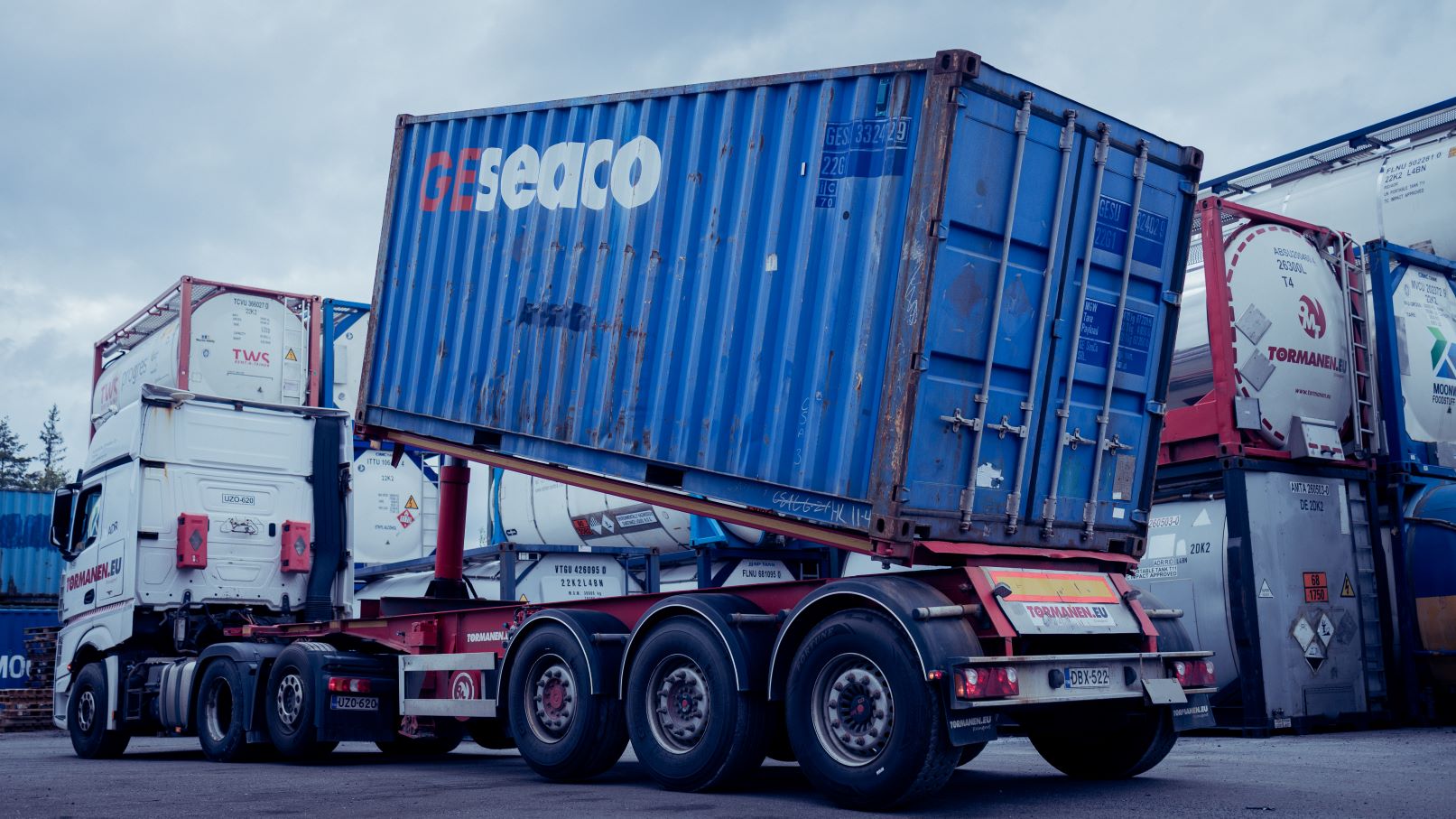
During transport, the containers protect materials from contamination while allowing for efficient handling at terminals and transfer points. At the destination, unloading occurs through various methods including tipping chassis for gravity discharge, rotary valve systems for controlled flow, or container-to-silo transfers for direct storage facility loading. This door-to-door approach eliminates multiple handling steps and reduces material degradation.
The entire process maintains material integrity while providing flexibility in loading and unloading methods. Transport routes can accommodate intermodal options, combining sea, road, and rail transport to optimise delivery times and costs for different cargo requirements.
What types of materials get shipped through dry bulk transport?
Dry bulk transport handles a wide range of materials including chemical products, agricultural commodities, food ingredients, and industrial powders. These materials share common characteristics of being loose, granular, and suitable for bulk handling without individual packaging requirements.
Chemical products form a significant portion of dry bulk cargo, including industrial powders, pharmaceutical ingredients, and speciality chemicals that require contamination-free transport. These materials often need specific container treatments or liner systems to maintain purity and prevent cross-contamination between different chemical types.
Food-grade materials represent another major category, encompassing ingredients like flour, sugar, spices, and food additives. These require hygienic transport conditions with food-safe liner bags and containers that meet strict quality standards. Temperature control may be necessary for certain sensitive food ingredients during transport.
Agricultural materials include grains, seeds, fertilisers, and feed products that benefit from bulk handling efficiency. Industrial powders such as cement additives, construction materials, and manufacturing inputs also utilise dry bulk transport for cost-effective movement between production and processing facilities.
The versatility of dry bulk transport accommodates materials with different flow characteristics, from fine powders that require careful handling to granular products that discharge easily through standard systems.
How is dry bulk transport different from other shipping methods?
Dry bulk transport eliminates individual packaging requirements and maximises container utilisation by loading materials directly in their loose state. This differs from traditional container shipping where goods are pre-packaged in boxes, bags, or other containers before being loaded into shipping containers.
The primary advantage lies in cost efficiency and capacity optimisation. Without packaging materials and their associated space requirements, more actual product fits into each container. This reduces per-unit transport costs and minimises packaging waste, making it environmentally beneficial for suitable materials.
Loading and unloading processes are specifically designed for bulk materials. Traditional container shipping requires manual handling or forklift operations to move individual packages. Dry bulk transport uses pneumatic systems, gravity discharge, or mechanical conveyors that handle large volumes quickly and efficiently.
Container specifications also differ significantly. Dry bulk containers feature specialised discharge systems, liner bags for contamination prevention, and sometimes heating or cooling capabilities. Standard containers focus on protecting pre-packaged goods rather than handling loose materials.
The operational requirements vary as well. Dry bulk transport needs specialised loading and unloading facilities, trained personnel familiar with bulk handling procedures, and quality control measures to prevent contamination. This specialisation provides better results for suitable materials but requires specific infrastructure and expertise.
What should you consider when choosing dry bulk transport services?
Container-to-silo capabilities represent a crucial factor when selecting dry bulk transport services. This feature allows direct transfer from transport containers to storage facilities, eliminating intermediate handling steps and reducing contamination risks while improving operational efficiency.
Handling requirements vary significantly between different materials. Consider whether your cargo needs food-grade liner bags, temperature control, or specialised discharge systems. Some materials require gentle handling to prevent damage, while others need specific container treatments to maintain quality during transport.
Transport route flexibility affects delivery options and timing. Look for providers offering intermodal solutions that combine sea, road, and rail transport effectively. This flexibility helps optimise costs and delivery schedules while accommodating different origin and destination requirements.
Technical expertise and equipment quality matter for successful dry bulk shipments. Evaluate providers based on their experience with your specific material type, availability of appropriate container equipment, and understanding of regulatory requirements for your industry.
Additional services like recycling programmes for liner bags, technical assistance during loading and unloading, and customs clearance support can streamline your logistics operations. These value-added services reduce administrative burden and ensure smooth transport execution.
Consider the provider’s network coverage and local expertise in your target markets. Strong regional knowledge helps navigate local regulations, terminal procedures, and delivery requirements that affect successful cargo handling.
Dry bulk transport offers significant advantages for suitable materials through specialised handling, cost efficiency, and operational flexibility. Understanding these fundamentals helps you evaluate whether this transport method aligns with your cargo requirements and business objectives. We provide comprehensive dry bulk logistics solutions including container-to-silo services, food-grade handling, and flexible intermodal transport options backed by technical expertise and reliable partner networks. For more information about how our services can meet your specific requirements, please contact us for expert guidance.